Wanneer klanten bellen of e-mails binnenkomen, krijgen we vaak vragen over onderwerpen zoals afwerkingen, dikte, kwaliteit en prijs. Maar een recente vraag van een klant uit de VS zette ons aan het denken over een onderwerp waar we niet genoeg over praten: grootte.
Een grote fabrikant uit de VS vroeg om een offerte voor op maat gesneden platen van 111 (lengte) x 42 (breedte/hoogte) inch in 2 cm dikte. Wij bij Stone Galleria presenteerden hen twee offertes op basis van verschillende snijtechnologieën — en dat leidde tot een aantal onverwachte vragen:
- Wat is het verschil tussen gangsaw (grote) platen en cutter (verticale of kleine) platen?
- Is er een kwaliteitsverschil tussen de twee?
- Hoeveel varieert de prijs eigenlijk?
- Als verticale platen zoveel goedkoper zijn, moeten ze dan niet van mindere kwaliteit zijn — toch?
- Waarom zijn gangsaw platen zoveel duurder dan verticale platen?
- Hoe zit het met breukverhoudingen tijdens het transport?
Dit waren geen vrijblijvende vragen. Ze kwamen van iemand die dagelijks met steen werkt.
Dat is wat ons ertoe bracht dit stuk te schrijven. Als een ervaren fabrikant die dagelijks met platen werkt zoveel vragen heeft, moet het voor een gewone huiseigenaar nog moeilijker zijn om er wijs uit te worden. Toen we zelf probeerden deze vragen te googelen, waren de antwoorden vaag en oppervlakkig. Toen we ons tot veel populaire AI-tools wendden, kregen we algemene antwoorden die de realiteit op de fabrieksvloer misten.
Dus in dit stuk geven we je het fabrieksstandpunt—wat we daadwerkelijk op de werkvloer doen en waarom we het doen. Geen marketingpraatjes. Geen door AI gegenereerde generalisaties. Gewoon wat we elke dag zien, snijden, verpakken en verzenden.
Wat zijn gangsaw en verticale platen precies?
Voordat we ingaan op kwaliteit, prijs of transport, laten we beginnen met de basis—wat deze twee termen eigenlijk betekenen.
In de granietindustrie hoor je platen aangeduid met hun snijmethode of hun grootte. Gangsaw en cutter (ook wel verticaal genoemd) zijn de twee meest voorkomende termen, en ze worden vaak door elkaar gebruikt met "grote maat" en "verticale maat." Maar de namen zelf hebben een geschiedenis die het begrijpen waard is—en zodra je weet waar ze echt naar verwijzen, wordt de rest van deze gids veel duidelijker.
Laten we beginnen met gangsaw.
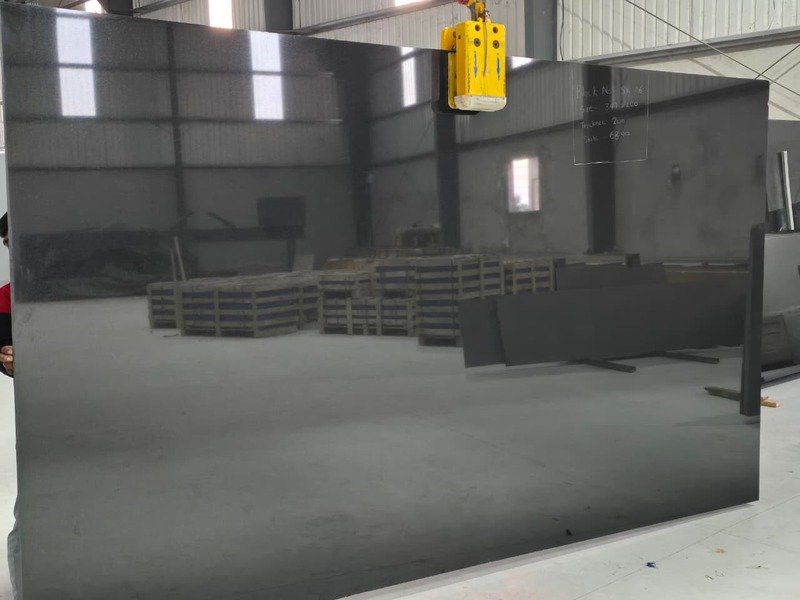
Wat betekent "Gangsaw Size Slab" eigenlijk?
Een gangsaw is de naam van een machine die oorspronkelijk werd gebruikt om marmer te zagen — meerdere bladen zagen meerdere platen tegelijk, meestal in grote formaten. Omdat marmer over het algemeen (maar niet altijd) in grote plaatformaten komt, werd de term "gangsaw size" een afkorting voor grote platen.
Graniet leende de naam. Maar hier is de catch: graniet kan eigenlijk niet op een gangsaw-machine worden gesneden omdat het te hard is (hoog op de schaal van Mohs). Grote platen graniet worden in plaats daarvan gesneden met multi-draadmachines.
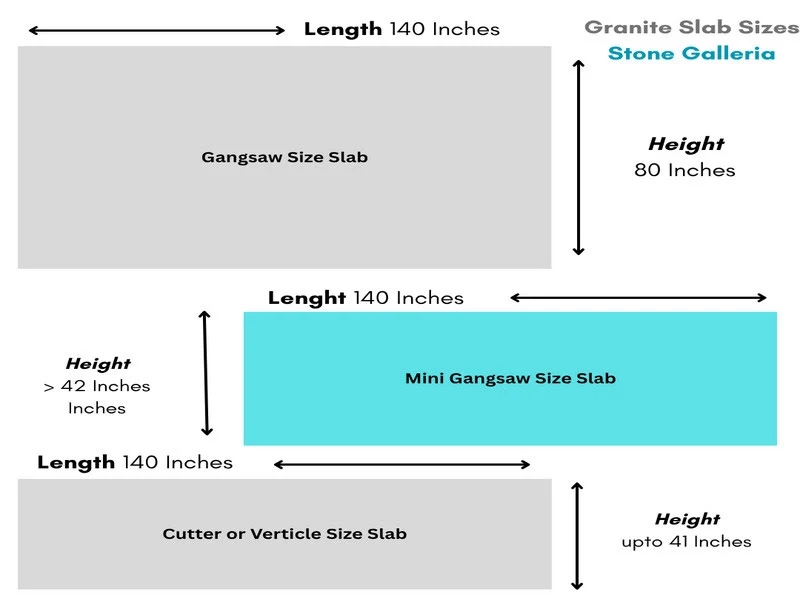
Dus bij graniet beschrijft "gangsaw size" niet de machine—het beschrijft de grootte. Typische grote granietplaatgrootte:
- Lengte: 100 tot 140 inch
- Hoogte of Breedte: 60 tot 82 inch
- Dikte: 3cm voor de Amerikaanse markt en 2cm voor de rest van de wereld.
Dat is alles wat het betekent. Een groottecategorie, geen snijmethode.
Wat is een Cutter Size Plaat?
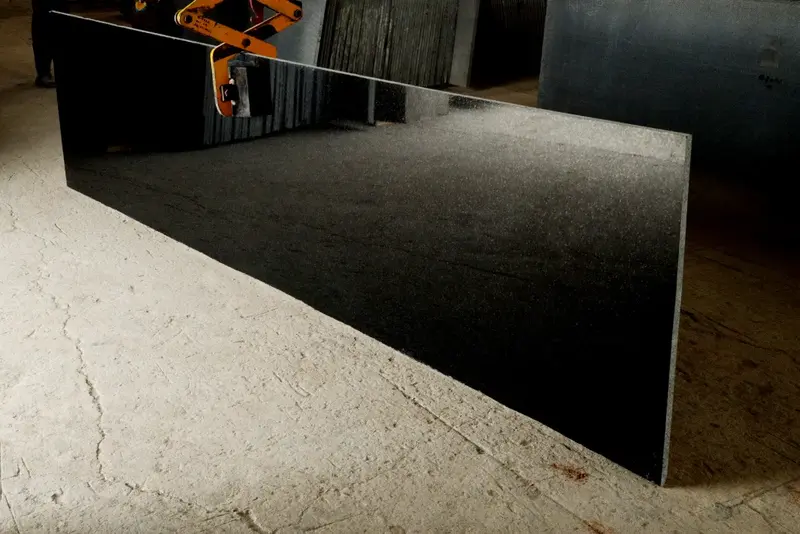
Cutter is de naam van een machine die cirkelvormige diamantbladen gebruikt om granietblokken in platen te snijden. Afhankelijk van de machine kan deze overal van 1 blad tot 5, 10, 13, 14 of zelfs 21 bladen tegelijkertijd snijden.
In tegenstelling tot een gangsaw wordt de cutter dagelijks op graniet gebruikt. Het is het werkpaard van de meeste granietfabrieken. Het formaat dat het produceert is echter anders:
- Lengte: 100 tot 140 inch (Kan oplopen tot 156 inch)
- Breedte of Hoogte: 20 tot 42 inch (max 43 inch)
- Dikte: 16mm, 18mm, 20mm en 30mm. Aangepaste maten kunnen eenvoudig worden gemaakt.
Omdat de lengte veel groter is dan de breedte, hebben deze platen een hoge, verticale uitstraling—daarom worden ze ook wel verticale platen genoemd.
Still have questions about slab sizes?
You're not alone — even seasoned fabricators ask us these questions every week. If something about gangsaw or cutter sizing is unclear for your project, send us a quick note. No quote pressure, just a straight answer from someone on the factory floor.
Ask Us a QuestionDe lengte kan vergelijkbaar zijn met een gangsaw, maar de breedte is waar het echte verschil ligt—cutterplaten zijn smal van ontwerp.
Cutter Size Platen Vs. Gangsaw Size Platen: Wat is het Kwaliteitsverschil?
Nu je begrijpt hoe deze twee soorten granietplaten worden gesneden, komt de echte vraag op: is er eigenlijk een verschil buiten de grootte?
Om dat te beantwoorden, moeten we teruggaan—naar het ruwe materiaal.
Het enige ruwe materiaal dat nodig is om een granietplaat te produceren, is een granietblok. Alles in het proces—water, bladen, draden, schuurmiddelen, polijstmiddelen—zijn slechts verbruiksartikelen. En hier is het belangrijkste punt:
De blokken die worden gebruikt voor gangsaw platen en cutter platen komen uit dezelfde groeve.
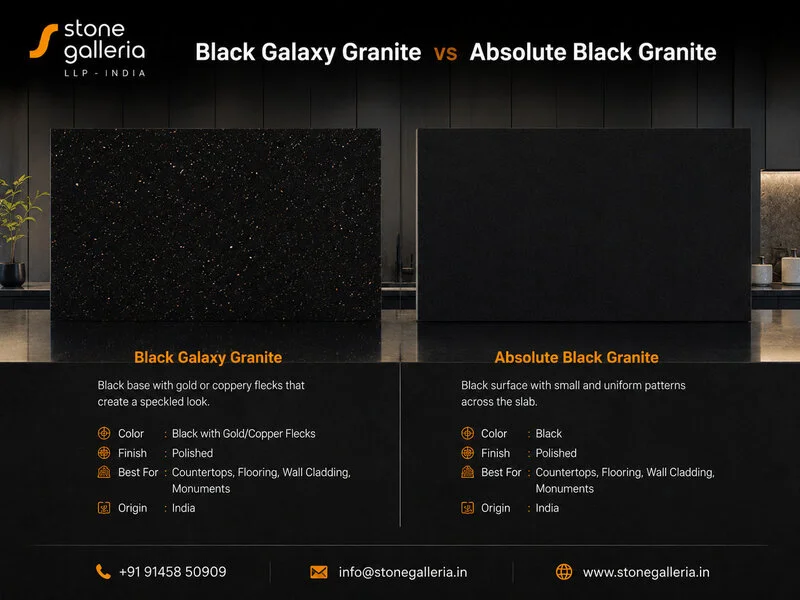
Of het nu Blue Dunes, Black Galaxy of een andere granietsoort is, de blokken worden uit dezelfde mijn, dezelfde put en dezelfde ader gehaald. Zelfde kleur. Zelfde patroon. Zelfde steen.
In feite is het gebruikelijk dat we een groot blok uit de mijn ontvangen en het splitsen in kleinere blokken, afhankelijk van naar welke machine het gaat. Datzelfde blok had naar een multi-wire machine kunnen gaan om een grootformaat plaat te produceren of naar een cutter om verticale platen te maken.
Het is letterlijk dezelfde steen—alleen anders gesneden.
Dus Is Er Helemaal Geen Verschil? Niet Helemaal.
We zeggen niet dat de twee in alle opzichten identiek zijn. Er zijn verschillen — sommige subtiel, andere meer merkbaar. Laten we beginnen met de subtiele verschillen.
Zoals we eerder vermeldden, ligt het echte verschil in hoe ze worden gesneden.
Multi-wire is geavanceerde technologie en duur—de meeste van deze machines worden geïmporteerd uit Europese landen (Italië is de leider) of uit Brazilië.
Cutter machines daarentegen worden meestal ofwel in India gemaakt of geïmporteerd uit China. Ze zijn betaalbaarder en veel gebruikelijker op fabrieksvloeren.
Maar het grotere verhaal is hoe elke machine de steen snijdt — en daar komen de echte verschillen vandaan.
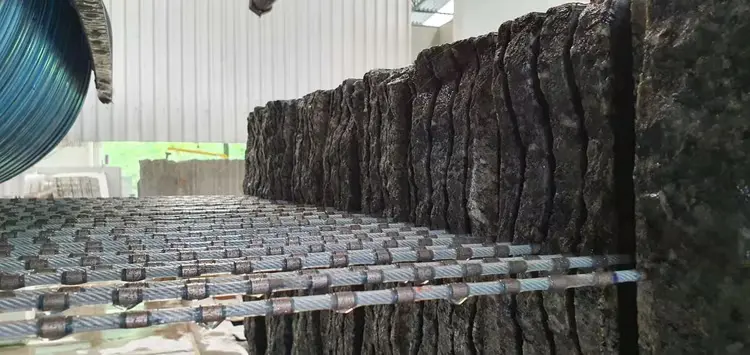
De draden dalen verticaal door het blok, allemaal tegelijkertijd over de volledige lengte van de plaat. Eén continue neerwaartse beweging, alle draden werken tegelijk.
Het blad beweegt horizontaal langs de lengte van het blok, draaiend op hoge toeren. Tussen de doorgangen door zakt het blad naar beneden om de volgende laag te snijden.
Twee echte verschillen komen hieruit voort:
1. Ingangsgroef — alleen op cutter platen.
Elke doorgang begint met het blad dat de bovenhoek van de steen raakt. Hoge toeren plus bladbreedte betekent dat de ingang impact op de bovenrand een paar millimeter diep is. Die rand zal dan niet vlak op het polijstbed liggen, waardoor de afwerking langs die rand ongelijk of ontbrekend eindigt.
In de praktijk ziet de klant het zelden — de beschadigde rand wordt niet meegenomen in de meting op willekeurige platen, en het wordt weggesneden tijdens de fabricage of op de installatielocatie voor op maat gemaakte werken. Multi-wire platen hebben dit probleem niet.
2. Kromming — en de conventionele wijsheid is achterhaald.
Cutterplaten krommen meestal 1–1,5 mm. De bladen zijn dik en stijf, dus ze snijden een relatief rechte lijn.
Multi-draad platen krommen gemiddeld 1,5–2 mm, en tot 4–5 mm bij zachtere stenen. De draden zijn relatief dun en flexibel — ze buigen naar zachtere mineraalzones en slijten ongelijkmatig terwijl ze gaan, dus ze volgen het pad van de minste weerstand in plaats van een rechte lijn.
Dus "gangzaag is vlakker dan cutter" is vaak onjuist. Het stijve blad houdt zijn lijn beter vast dan een flexibele draad.
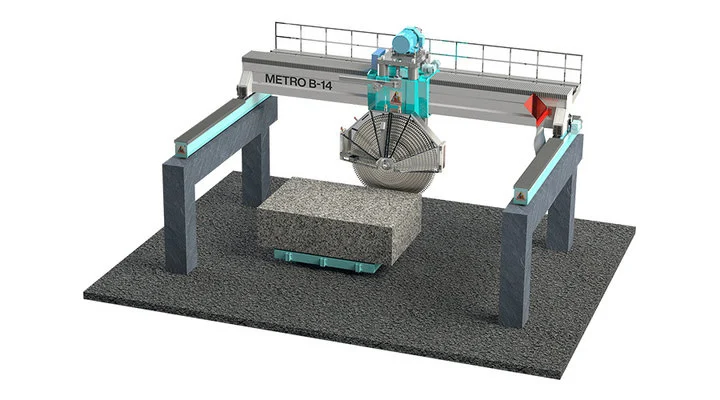
Nu de Waargenomen Verschillen
Je hoort vaak kopers dingen zeggen als “We willen geen cuttermaten; ze zijn inferieur,” of “Gangzaagplaten hebben betere kleur,” of “Grote platen hebben een beter patroon”. Dit zijn percepties, geen feiten. En hier is waarom.
Planning a project? Let's talk specifics.
Now that you know the real differences, the next step is figuring out what makes sense for your project — your application, your budget, your design. Share your requirements and we'll quote both gangsaw and cutter options side by side, so you can decide based on facts, not assumptions.
Request a QuoteZoals we net uitlegden, had hetzelfde granietblok in beide formaten kunnen worden gesneden. Een blok door een snijmachine halen verandert de kleur niet. Het verandert het patroon niet. De steen is de steen.
Dus waar komt de perceptie vandaan? Grootte en presentatie.
Een grote plaat toont van nature kleur en patroon beter—er is simpelweg meer oppervlak voor het oog om op te nemen. En in de meeste steenhouwers, worden grote platen op ooghoogte getoond, rechtopstaand op A-frames, volledig verlicht.
Cutterplaten daarentegen worden meestal onder ooghoogte opgeslagen, gestapeld of geleund op manieren die hen geen visuele rechtvaardigheid doen.
Dezelfde steen. Verschillende presentatie. Dat is wat de illusie van kwaliteitsverschil creëert.
De Conclusie over Kwaliteit
In een goede fabriek, ondergaan zowel gangzaag- als cutterplaten hetzelfde afwerkingsproces—dezelfde schuurmiddelen, dezelfde hars, dezelfde epoxy, hetzelfde vezelnet. De polijsting, de behandeling en de afwerking—het is allemaal identiek.
Het eindresultaat? Functioneel dezelfde kwaliteit van plaat — zodra de insteekgroef tijdens de fabricage is bijgesneden, is wat de klant bereikt vergelijkbaar in afwerking, duurzaamheid en prestatie.
Wat is het prijsverschil tussen grote platen en cutter-formaat platen?
Om het prijsverschil te begrijpen, moeten we teruggaan naar twee dingen die we al hebben besproken: grondstof en waargenomen verschil, samen met snijtechnologie.
1. Grondstofkosten
Vanwege de waargenomen waarde van grote platen — en omdat grote platen veel worden geëxporteerd — rekenen de meeste steengroeven en mijnen (niet allemaal) extra voor grote blokken. Kleinere blokken, die naar snijmachines gaan, zijn bij de bron zelf lager geprijsd.
Dus het prijsverschil begint al bij de steengroeve, voordat er ook maar één plaat is gesneden.
2. Snijtechnologie
Zoals besproken worden multi-wire machines geïmporteerd. Ze zijn duur om aan te schaffen, duur om te onderhouden en duur om te bedienen. Snijmachines — of ze nu in India zijn gemaakt of geïmporteerd uit China — zijn op alle drie de fronten aanzienlijk goedkoper.
Dat prijsverschil wordt doorberekend in de prijs van de plaat.
3. Voor de rest is alles grotendeels gelijk.
Met dikte, afwerking, verpakking en transport hetzelfde, komt het prijsverschil tussen een gangsaw en een snijplaat bijna volledig neer op deze twee factoren.
Er zijn ook kleinere variabelen — handling, arbeid, opbrengst — maar vergeleken met grondstof- en machinekosten zijn ze klein.
Daarom kosten gangsaw platen meer. Niet omdat de steen beter is, maar omdat het blok meer kost en de machine meer kost.
In de meeste gevallen zijn gangsaw platen 30 tot 100% duurder dan snijplaten van hetzelfde graniet — puur vanwege deze twee factoren.
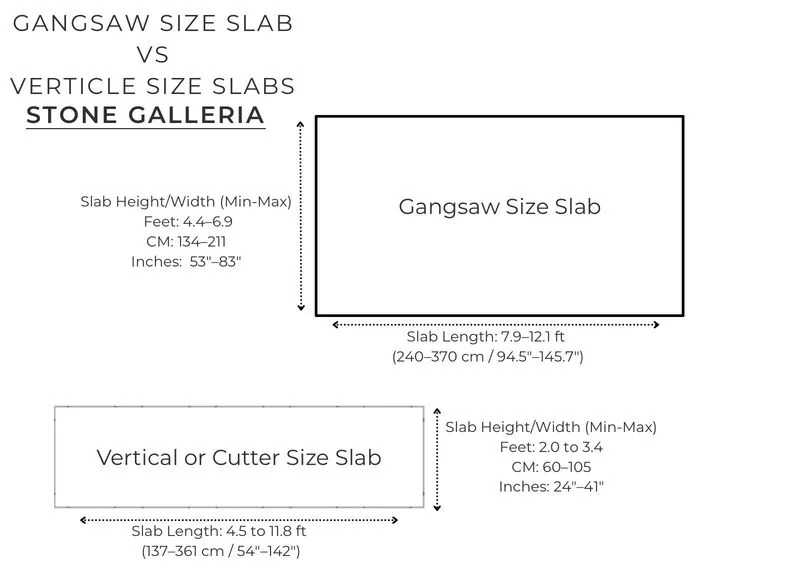
Hoe zit het met breuk en transport: Grote platen vs kleine platen
Zowel gangsaw als snijplaten kunnen veilig reizen, binnenlands of overzee, over de weg of over zee. (Luchttransport is voor geen van beide haalbaar, simpelweg omdat steen te zwaar is.)
De belangrijkste factor is hoe ze verpakt zijn, niet welk type ze zijn.
Dit is wat de meeste mensen zich niet realiseren: als beide plaattypes op dezelfde manier zijn verpakt, is er absoluut geen verschil in breuk. De steen is hetzelfde, de dichtheid is hetzelfde en de handlingprincipes zijn hetzelfde.
Wat in de praktijk gebeurt, is dit — omdat gangsaw platen een hogere prijs hebben, worden ze meestal zorgvuldiger verpakt. Sterkere kratten, betere demping, meer aandacht voor details. Die extra zorg kost meer en wordt toegevoegd aan de uiteindelijke prijs. Snijplaten worden vaak op een lagere standaard verpakt, simpelweg omdat de steen zelf minder kost en de economie geen betere verpakking rechtvaardigt.
Maar dat is een verpakkingsbeslissing, geen steen- of groottebeperking. Uit onze ervaring blijkt dat breuk meestal ontstaat door fouten in de omgang, niet door het formaat van de plaat.
Bij het laden van containers en voertuigen:
Of het nu gaat om een zeecontainer voor export of een vrachtwagen voor binnenlands vervoer, de capaciteit is hetzelfde in vierkante meters voor dezelfde steen. De dichtheid per vierkante meter verandert niet op basis van de grootte van de plaat—een plaat van 10 ft en een plaat van 7 ft met dezelfde dikte wegen hetzelfde per vierkante meter. Er is dus geen transportkostvoordeel of -nadeel op basis van alleen het formaat.
Welke moet je kiezen?
Eerlijk? Er is er geen — en dat is het punt.
Zowel gangsaw- als cutterplaten komen uit dezelfde groeve, hetzelfde blok en dezelfde steen. De ene wordt gesneden op een grotere, duurdere machine en komt in een groter formaat. De andere wordt gesneden op een kleinere, meer gebruikelijke machine en komt in een smaller formaat. De afwerking, de glans, de duurzaamheid—allemaal hetzelfde.
De verschillen die we hebben besproken zijn echt, maar ze zijn feitelijk, niet kwalitatief:
- Grootte: gangsaw is groter, cutter is smaller
- Prijs: gangsaw kost meer vanwege de grondstof- en machine-economie
- Presentatie: Gangsaw toont beter in steenhopen simpelweg vanwege de grootte en presentatie
- Verpakking: duurdere platen worden meestal zorgvuldiger verpakt, maar dat is een keuze, geen beperking
Welke past bij jouw project hangt af van je toepassing, je budget, je ontwerpvoorkeur en je tolerantie voor naden. Dat zijn beslissingen die alleen jij kunt maken.
Bij Stone Galleria werken we met beide formaten platen. We zijn er niet om je te vertellen dat de ene beter is dan de andere—want dat zou niet eerlijk zijn. We zijn er om de feiten op een rijtje te zetten zodat jij kunt beslissen wat het beste is voor jouw project.
Dezelfde steen. Verschillende snede. Het verschil zit niet in het materiaal — het zit in hoe je ervoor kiest het te gebruiken.