Granite Kerbs



Frequently Asked Questions
A granite kerb is a length of granite set as an edge between a road or paved surface and an adjoining area — a footpath, verge, driveway, or garden. It defines the edge, contains the road surface, channels water along the carriageway, and provides a physical and visual boundary. Granite is used for kerbs because it is extremely hard and weather-resistant and lasts far longer than concrete in heavy-traffic and exposed conditions.
What is the difference between a kerb and a kerbstone?
There is no real difference — they are the same product. "Kerb" (British and export spelling) and "curb" (American spelling) both refer to the edging, and "kerbstone" or "kerb stone" simply emphasises that it is made of stone. This page uses "granite kerbs" throughout and covers kerbstones, curb stones, road kerbs, and kerb edging.
What are granite kerbs used for?
Granite kerbs are used to edge roads, highways, driveways, car parks, footpaths, traffic islands, and landscaped areas. On roads they contain the carriageway, guide drainage, and deflect traffic; in landscaping and driveways they form clean, durable edges and borders. Because granite resists wear, frost, and de-icing conditions, it is used where the edge must last under traffic and weather for decades.
Are granite kerbs better than concrete kerbs?
Granite kerbs last considerably longer than concrete. Concrete kerbs erode, chip, and discolour over time, especially under traffic and frost; granite, being a natural hard stone, keeps its edge and appearance for decades and is often reused after a road is rebuilt. Concrete is cheaper initially, but granite is the long-life choice and is specified for heritage areas, premium developments, and projects where whole-life cost matters.
What are the standard granite kerb profiles?
The standard kerb profiles are half-battered, splayed (45°), bullnosed, and edging kerbs. Half-battered is the common road kerb, splayed is used on high-speed roads, bullnosed is used as a flush or crossing kerb, and edging kerbs retain the surface between the road kerb and adjoining ground. Granite kerbs are made in all of these profiles, plus square/rectangular and radius (curved) kerbs.
What is a half-battered kerb?
A half-battered kerb has a sloped (battered) face on the road side, angled so it deflects and redirects a vehicle's wheel back onto the carriageway on contact. It is the most widely used road kerb profile. A common size is 125 × 255mm.
What is a splayed kerb?
A splayed kerb has a 45° angled face. It is used on higher-speed roads, designed so a vehicle mounting the kerb is not deflected sharply back into other traffic — a safety profile. A common size is 125 × 255mm.
What is a bullnosed kerb?
A bullnosed kerb has a rounded top edge and is designed to sit just proud of the surface, used as a flush or crossing kerb — for example at pedestrian crossings and accesses where a near-level transition is needed. A common size is 125 × 150mm.
Order Granite Kerbs Direct from the Manufacturer
From a driveway edge to a full highway or development project, granite kerbs are cut to the profiles and sizes you specify. Request a sample to check the granite and finish first — the sample cost is adjusted against your order.
Start Your OrderGranite Kerbs
A granite kerb is a length of granite set as an edge between a road or paved surface and an adjoining area such as a footpath, verge, driveway, or garden. It defines and contains the edge, channels water along the carriageway, and forms a hard, lasting boundary. Granite is used for kerbs because it is extremely hard and weather-resistant and outlasts concrete by decades under traffic and exposure. Stone Galleria manufactures and supplies granite kerbs from its factory in Kishangarh, Rajasthan, in half-battered, splayed, bullnosed, edging, and radius profiles, made to BS EN 1343 dimensions, with supply across India and for export.
Kerb, Kerbstone, or Curb — the Same Product
"Kerb" is the British and export spelling; "curb" is the American spelling; "kerbstone" and "kerb stone" emphasise that it is stone. They all describe the same product. This page covers granite kerbs, kerbstones, curb stones, road kerbs, and kerb edging.
From Raw Granite Block to Your Finished Kerb
Stone Galleria processes granite end to end, from the raw quarry block through to the finished kerb. The block is cut to the kerb section, the profile is worked — battered, splayed, bullnosed, or square — the face is finished, and the kerb is cut to length, including curved radius kerbs. Because every stage happens in-house, kerbs can be produced in consistent colour and profile across a large project run and supplied in volume. We are not limited to kerbs: the same processing covers pavers, cobblestone, flagstone, steps, and cladding, so a full external or public-realm project can be supplied in one source of granite.
What Granite Kerbs Are Used For
Granite kerbs are used to edge roads, highways, driveways, car parks, footpaths, traffic islands, roundabouts, and landscaped areas. On roads they contain the carriageway, guide surface drainage, and deflect traffic; in driveways and landscaping they form clean, permanent edges and borders. Because granite resists wear, frost, and weathering, it is specified where the edge must survive traffic and exposure for decades, and where appearance matters — heritage streetscapes, premium developments, and public spaces.
Granite Kerbs vs Concrete Kerbs
Concrete kerbs are cheaper to buy but erode, chip, and discolour over time, particularly under traffic and frost. Granite kerbs keep their edge and appearance for decades and are frequently lifted and reused when a road is rebuilt. For whole-life cost, heritage areas, and premium work, granite is the long-life choice; this is why natural stone kerbs are specified on projects where durability and appearance justify the higher initial cost.
Granite Kerb Profiles
Granite kerbs are made in the standard profiles used in road and landscape construction:
Half-battered kerbs have a sloped road-side face that deflects a vehicle wheel back onto the carriageway. This is the most common road kerb, commonly 125 × 255mm.
Splayed kerbs have a 45° face, used on higher-speed roads so a vehicle mounting the kerb is not thrown back sharply into traffic. Commonly 125 × 255mm.
Bullnosed kerbs have a rounded top and sit just proud of the surface, used as flush or crossing kerbs at accesses and pedestrian crossings. Commonly 125 × 150mm.
Edging kerbs are smaller sections that retain the surface between the road kerb and adjoining ground, commonly 50 × 150mm.
Square and rectangular kerbs and radius (curved) kerbs are also made to order.
Granite Kerb Sizes and Dimensions
Common cross-sections are 125 × 255mm for half-battered and splayed kerbs, 125 × 150mm for bullnosed, and 50 × 150mm for edging. Standard lengths are typically 914mm and 609mm, with the usual range from about 450mm to 915mm. Radius kerbs are made from a 500mm minimum length. Curves with a radius over 15 metres can generally be formed with straight kerbs; tighter curves are cut as radius kerbs. All sizes and profiles can be cut to custom requirements.
Radius and Special Kerbs
Radius kerbs are curved kerbs for bends, roundabouts, and traffic islands, specified by radius and by whether the curve is internal or external. Alongside radius kerbs, transition pieces, drop kerbs for accesses, and quadrants and angles can be supplied to complete a kerb layout. Share your radii and the internal or external requirement and the curved kerbs are cut to suit.
Granite Colours for Kerbs
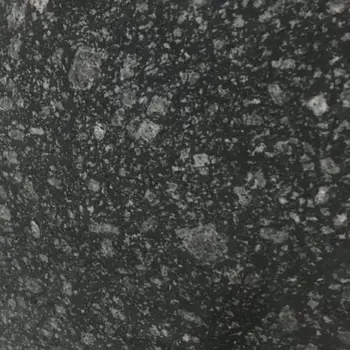
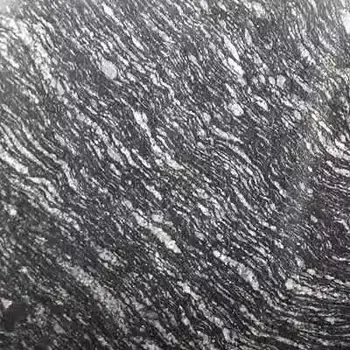
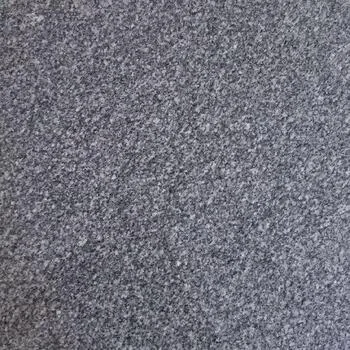
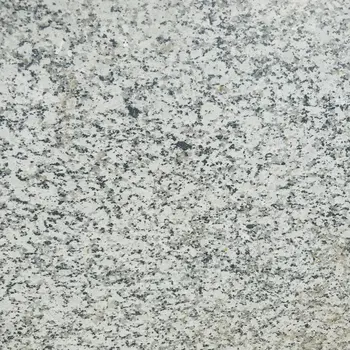
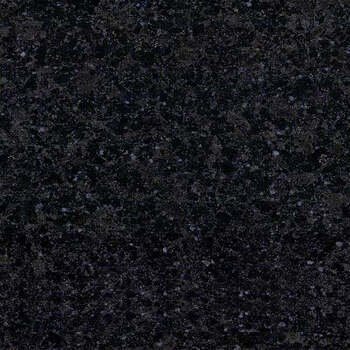
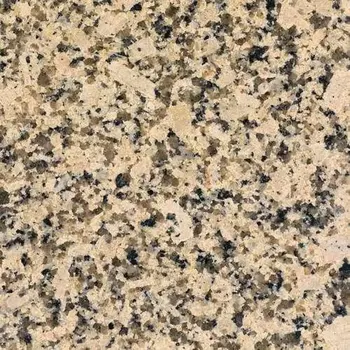
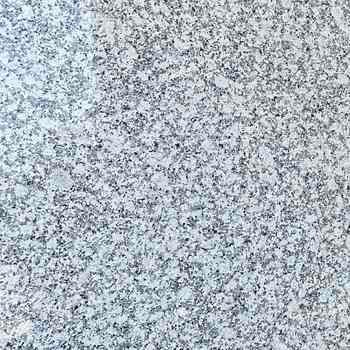
Kerbs are most often supplied in grey and silver-grey granite for roads and civil work, and in black, brown, and other colours where appearance is part of the design, such as driveways and premium landscaping. The granite can be selected for colour consistency across a project or to match adjoining paving and cobblestone. Stone Galleria supplies kerbs in a range of granite colours and finishes, including flamed for slip resistance and an aged appearance.
Compliance and Standard
Natural stone kerbs are covered by BS EN 1343, the European standard for kerbs of natural stone for external paving, which defines the performance requirements and test methods for the product. (Concrete kerbs fall under a separate standard, BS EN 1340.) Stone Galleria manufactures granite kerbs to BS EN 1343 dimensions and profiles. [Upgrade this line to state formal certification or CE/UKCA marking only if you actually hold it.]
Granite Kerb Price
The price of granite kerbs depends on the granite colour, the profile, the size, the finish, and the quantity. Standard grey granite costs less than premium colours, and straight kerbs cost less than radius and special pieces. Price is calculated per linear metre or per piece on the section and work involved. Because Stone Galleria manufactures directly, kerbs are priced at factory rate without distributor margins. Share your profiles, sizes, and linear-metre quantities for a project quote.
Ordering and Specifying Granite Kerbs
When specifying kerbs, the convention is to state the dimensions first, then the profile, then the radius, then internal or external — for example "125×255 HB 6m Ext." Plain measurements and the profile name are enough; the specification is confirmed back to you before production. Send your kerb schedule, drawings, or simply the profiles, sizes, and quantities, and you will receive a quote with factory pricing and lead time.
Export, Packing, and Delivery
Granite kerbs are heavy and are packed laid on strong pallets or in crates, strapped and protected for transport. Domestic orders are dispatched by road from Kishangarh. Export orders are containerised and dispatched from Mundra or Nhava Sheva port, with documentation handled in-house; because kerbs are dense and heavy, export freight is quoted by container load. Standard profiles take a defined lead time to produce in project quantities; radius and special kerbs take longer. The lead time is confirmed when the order is placed.
Explore Other Granite Colour Options by Stone Galleria
Black Granite | Grey Granite | Brown Granite | Blue Granite | Pink Granite | Red Granite | Yellow Granite | White Granite| Multicolour Granite | Light Granite | Dark Granite
Coordinate Your Kerbs with the Rest of the Project
Granite Pavers | Granite Cobblestone | Granite Flagstone | Granite Flooring | Granite Parking Area | Granite Steps | Granite Wall
Looking for Kerbs in Another Stone?
Granite is the most durable choice for kerbs, but Stone Galleria also processes and supplies sandstone, quartzite, and marble for projects where the edging needs to match paving or cladding in another stone. Sandstone is a traditional choice for kerbs and edging in heritage and garden settings.