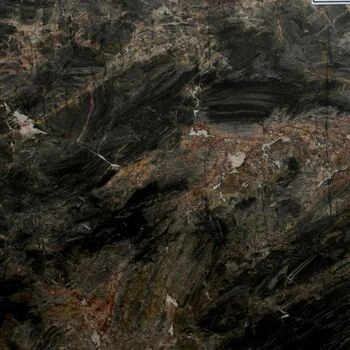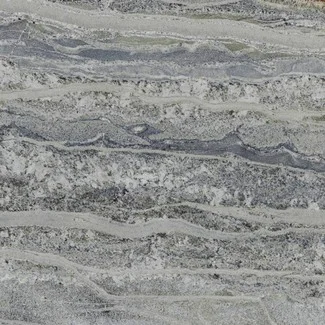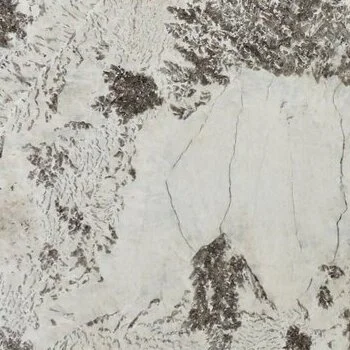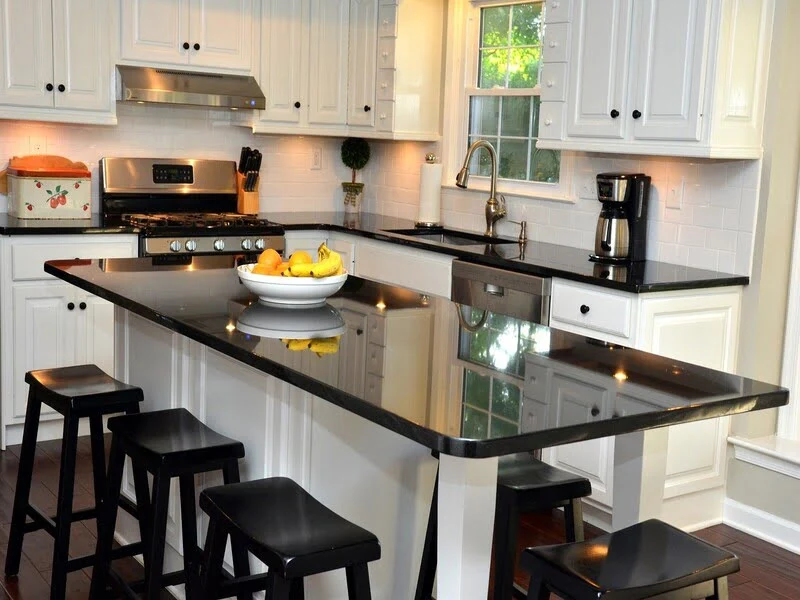
Picture this: You’re planning your dream kitchen or a sleek new office, and you need the right materials to bring your vision to life. That’s where the big question comes in: “Why choose granite?” When comparing granite to other materials, it quickly stands out. Granite is known for its incredible durability, striking looks, and ability to handle life’s wear and tear.

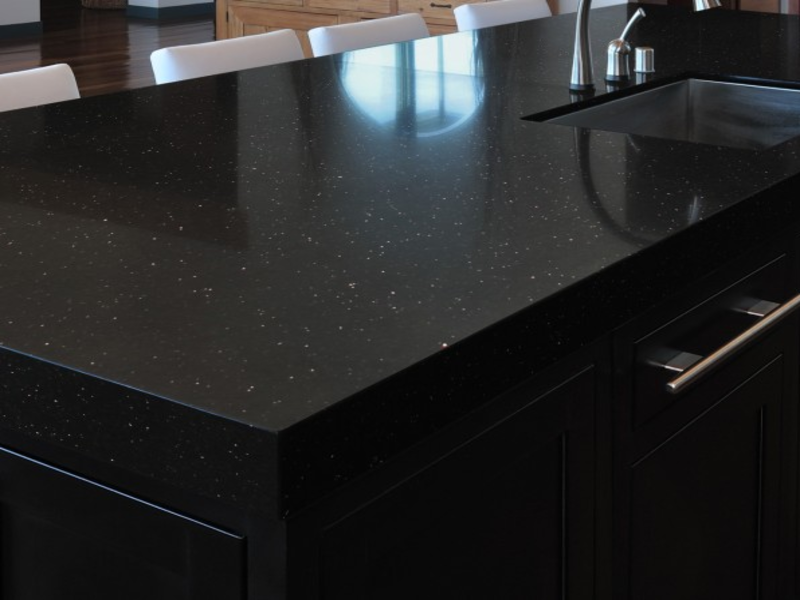
Think about the constant use in a busy kitchen – granite countertops effortlessly withstand hot pots, sharp knives, and daily spills. Or consider a bustling office lobby where granite flooring holds up against the endless flow of foot traffic without showing signs of wear. Whether you’re deciding between granite and other materials for your project, understanding the real-world advantages of granite can make all the difference.
In this article, you’ll see how granite stands up against its natural stone alternatives as well as engineered substitutes. We’ll be comparing these options on various important factors like hardness on the Mohs scale, porosity, stain resistance, and wear and tear levels. This will answer your question, “Why granite?” Join us as we dive into why granite might just be the perfect choice for your next project!
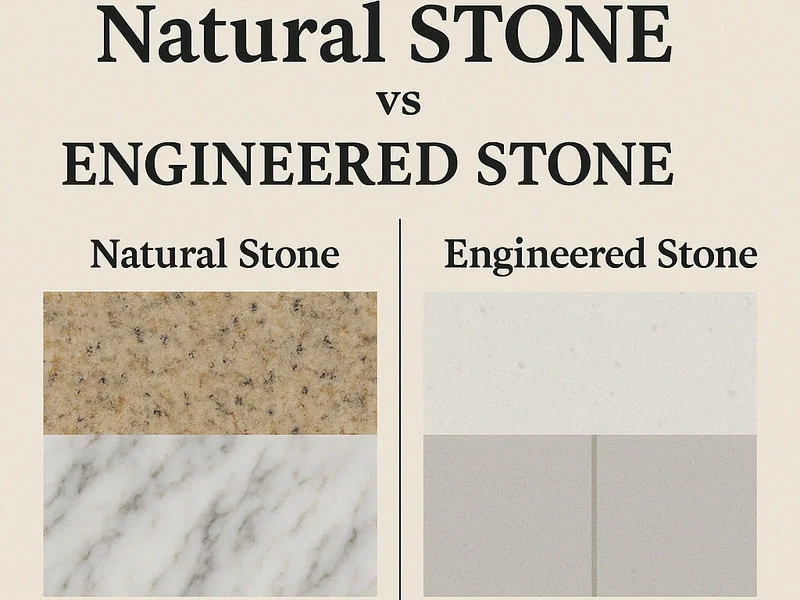
Natural Stone Alternatives and Engineered Stone Substitutes: What Are the Other Options??
When granite is one of the options you’re considering, you’ll find there are plenty of other choices out there, both natural and engineered. From beautiful marble and durable quartzite to sleek engineered quartz and practical porcelain, each material has its own set of benefits.
However, we’re here to help you find the best option for your needs. While all these materials can serve a purpose, our goal is to narrow down which one truly stands out. We’ll compare granite against these alternatives to see how it measures up in terms of hardness, porosity, stain resistance, and overall durability. This way, you can make an informed decision and choose the material that will work best for your project.
READ | The Reason for Material Selection: Engineered Stone Vs Natural Stone

Natural Stones Alternative
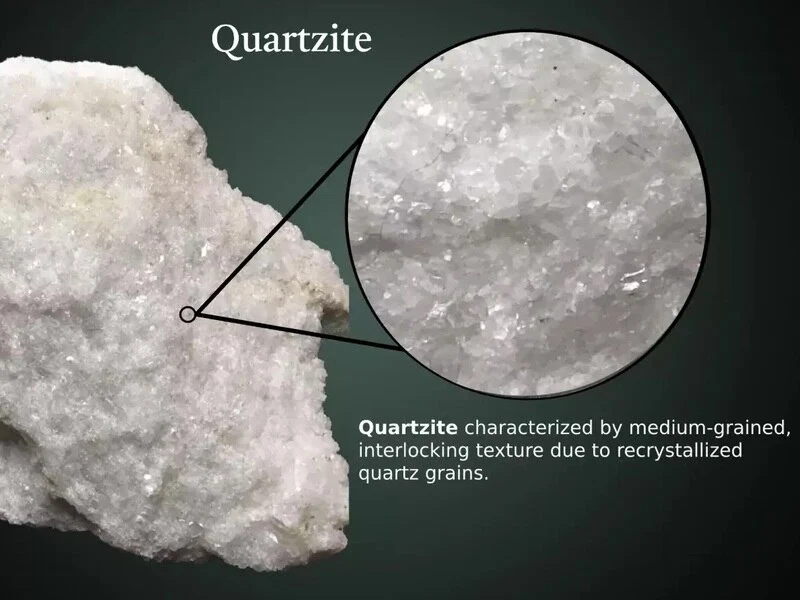
When considering granite, it’s worth exploring other natural stone choices. Marble is renowned for its timeless elegance and unique veining. Quartzite is another tough and durable option, great for high-traffic areas. Limestone, with its distinct textures and warmth, is also popular for its natural charm.
Engineered Stone Substitute
Engineered stones like quartz and porcelain are manufactured materials designed to replicate the look of natural stone while offering enhanced durability and low maintenance. Quartz provides a consistent surface and is highly resistant to stains, while porcelain is known for its strength and versatility.
We’ll compare granite with these natural and engineered options to help you determine which material best suits your needs.
As we compare granite with these natural and engineered options, we’ll focus on key factors like hardness, porosity, stain resistance, and durability to help you make the best choice.
Comparison Parameters
When choosing materials for your project, it’s essential to understand how granite stacks up against other options. We’ll look closely at key factors like hardness, porosity, stain resistance, and wear and tear to give you a complete picture.
Mohs Hardness Scale
The Mohs Scale of Mineral Hardness, created by Friedrich Mohs in 1812, ranks minerals based on their ability to scratch others. It ranges from 1 (talc) to 10 (diamond). Granite scores high on this scale, indicating its strong resistance to scratches. We’ll compare its hardness with other materials to see how well it performs in high-traffic areas.
ALSO READ | What Is The Hardness Of Granite? Understanding Granite Hardness on the Mohs Scale
Porosity
Porosity measures how much water a material can absorb. Granite has low porosity, making it more resistant to moisture. We’ll compare this with other materials to see how well they handle water.
ALSO READ | Is Granite Porous? or Non-porous or How Porous Is it?
Stain Resistance
Granite is known for its natural resistance to stains. We’ll examine how well it performs compared to other materials in resisting and handling stains.
ALSO READ | Does Granite Stain? Understanding the Risks, Prevention & Solution
Natural Wear and Tear
Durability over time is a key factor. We’ll assess how granite holds up against other materials in terms of wear and tear, giving you insights into their longevity.
By exploring these parameters, you’ll get a clear understanding of how granite compares with both natural stone substitutes and engineered alternatives in construction and design.
ALSO READ | Does Granite Scratch? Can It Be Scratched? Will Granite Scratch? Learn About Granite Scratch Resistance
Comparison of Granite and Other Natural Stones
| Slabs/Tiles | Mohs Hardness Scale | Porosity | Resistance to Staining | Resistance to Wear & Tear |
|---|---|---|---|---|
| Granite | 6 to 7 | Low | High | High |
| Marble | 3 to 5 | High | Low | Low |
| Travertine | 4 to 5 | High | Low | Low |
| Limestone | 3 to 4 | High | Low | Low |
| Slatestone | 5.5 to 6.5 | Low | High | High |
| Sandstone | 6 to 7 | High | Low | Low |
| Quartzite | 7-8 | Low | High | High |
This table highlights the differences between granite and other materials based on hardness, porosity, stain resistance, and durability.
Comparison of Engineered Stone Substitute
| Slabs & Tiles | Mohs Hardness Scale | Porosity | Resistance to Staining | Resistance to Wear & Tear |
|---|---|---|---|---|
| Porcelain | 7 to 8 | Low | High | High |
| Ceramic/Vitrified Tiles | 5 to 8 | Low | High | Low |
| Quartz | 7 | Low | High | High |
| Engineered Stone | 6 to 7 | Low | High | High |
| Terrazzo | 7 to 8 | Low | High | High |
| Glass | 5.5 to 7 | Low | High | Low |
Why Granite Stands Out: Inferences from the comparison
When comparing granite to other natural and engineered stones, several key factors highlight its advantages:
Hardness: Granite’s hardness ranges from 6 to 7 on the Mohs scale, placing it on par with or just below quartzite and engineered stone. This makes granite highly resistant to scratches and abrasions, suitable for both high-traffic and heavy-use areas.
Porosity: Granite has low porosity, which helps it resist moisture and reduce the risk of staining. While other natural stones like marble, travertine, and limestone have higher porosity and are more prone to stains, granite maintains its appearance with minimal maintenance.
Resistance to Staining: Granite is known for its high resistance to staining, outperforming many natural stones such as marble, travertine, and limestone. This characteristic is also comparable to that of engineered stones and porcelain, making granite a reliable choice for areas prone to spills and stains.
Resistance to Wear & Tear: Granite excels in durability and can handle significant wear and tear. It matches or exceeds the performance of engineered stones and porcelain, which are also high in durability. Granite’s ability to withstand daily use makes it an excellent option for both residential and commercial spaces.
ALSO READ | The Heat Resistance of Granite: Essential Facts
Overall, granite’s combination of hardness, low porosity, stain resistance, and durability makes it a standout choice among natural and engineered stones, offering both aesthetic appeal and long-lasting performance.
Conclusion
Choosing the right material for your project is crucial, and granite stands out as a top contender when compared to other options. From its impressive hardness on the Mohs scale to its low porosity, granite demonstrates a strong ability to resist scratches, moisture, and stains. Its durability in handling wear and tear further solidifies its position as a reliable choice for both high-traffic areas and aesthetically demanding applications.
While natural stone alternatives like marble, travertine, and limestone each have their unique characteristics, they often fall short in one or more key areas compared to granite. Similarly, engineered stones like quartz and porcelain offer certain benefits but can lack the natural appeal and timeless quality of granite.
In summary, granite’s exceptional combination of durability, low maintenance, and classic beauty makes it a superior option for a wide range of applications. Whether you’re renovating your kitchen, updating flooring, or working on a commercial space, granite’s enduring qualities and robust performance ensure that it remains a wise and stylish choice.
Ready to choose granite for your next project? Check out Stone Galleria’s top-quality options and let us help you find the perfect fit. Get in touch today to get started!
Discover More
- Granite vs Tiles: Pros, Cons, Costs, and Longevity Explained
- Granite vs. Corian: A Comprehensive Guide to Choosing the Right Surface
- Quartzite Heat Resistance: A Comprehensive Guide
- Quartz vs. Granite – Heat Resistance Comparison
- Comparative Analysis of Granite vs. Quartzite vs. Quartz: Why and What to Choose