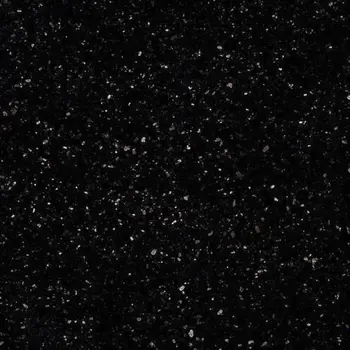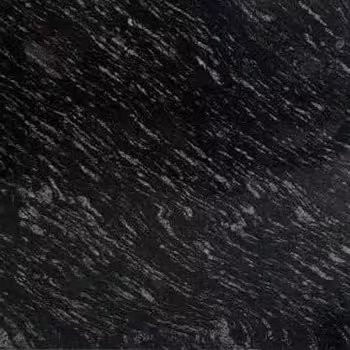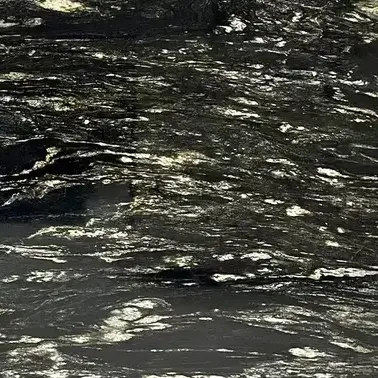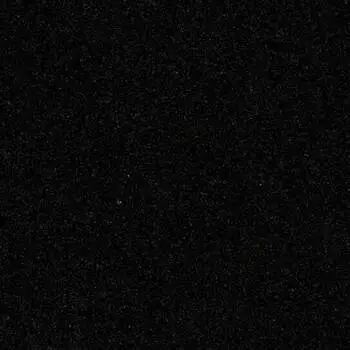
لأكثر من 30 عامًا، عملت ستون جاليريا في الحجر الطبيعي من راجستان. لم يكن الأسود المطلق جزءًا من مجموعتنا الخاصة - منطقتنا ببساطة لا تستخرجه. لذلك عندما طلب منا عميل مساعدته في الحصول عليه، توقعنا أن تكون المهمة بسيطة.
لكنها لم تكن كذلك. كلما تعمقنا، كلما ازدادت الأمور تعقيدًا: نفس الاسم يغطي عشرات الأحجار المختلفة، بجودة وأسعار متباينة بشكل كبير، وقليل من المعلومات الواضحة والصادقة لتوجيه المشتري. لقد فوجئنا بمدى تعقيد شيء يبدو بسيطًا للغاية.
لذلك فعلنا ما تعلمناه خلال 30 عامًا في الحجر - تعمقنا. هذا الدليل هو ما جمعناه على طول الطريق: نظرة صادقة وعملية على ما يعنيه "الأسود المطلق" فعليًا، ومن أين يأتي، وكيفية التمييز بين الجيد والعادي.
معظم الأحجار المباعة كـ "جرانيت أسود" ليست جيولوجيًا جرانيت على الإطلاق. الجرانيت الحقيقي غني بالكوارتز والفلسبار؛ أما السوداء العميقة فهي عادةً بازلت، جابرو، دوليريت أو ديوريت - صخور أغمق وأكثر كثافة ملونة بمحتواها العالي من الحديد.
تجمع التجارة بينها جميعًا تحت "الجرانيت" للراحة، وهذا هو الممارسة المقبولة. في الواقع، المعيار الأمريكي (ASTM C119) يسمح رسميًا بأن تُستخرج هذه الصخور النارية الداكنة وتباع كـ "جرانيت أسود"، على الرغم من أن تركيبها يختلف عن الجرانيت الحقيقي.
ما هو الجرانيت الأسود المطلق؟
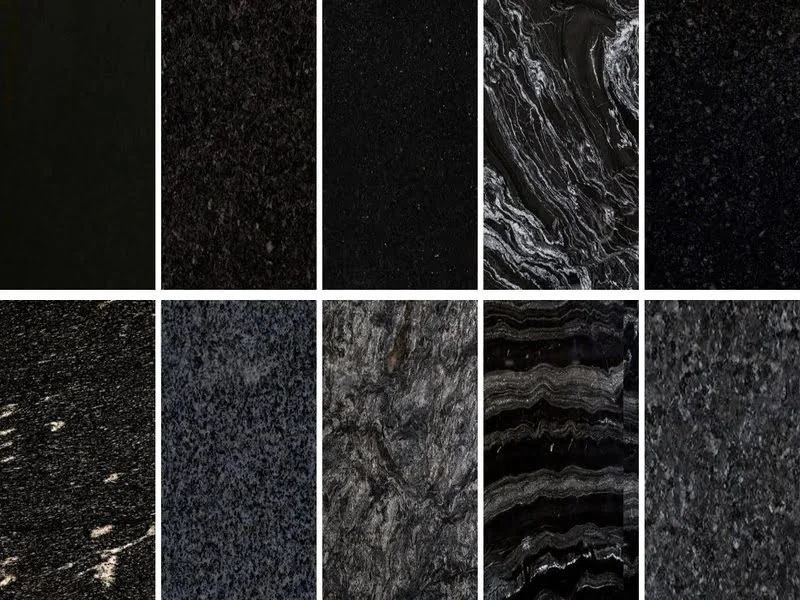
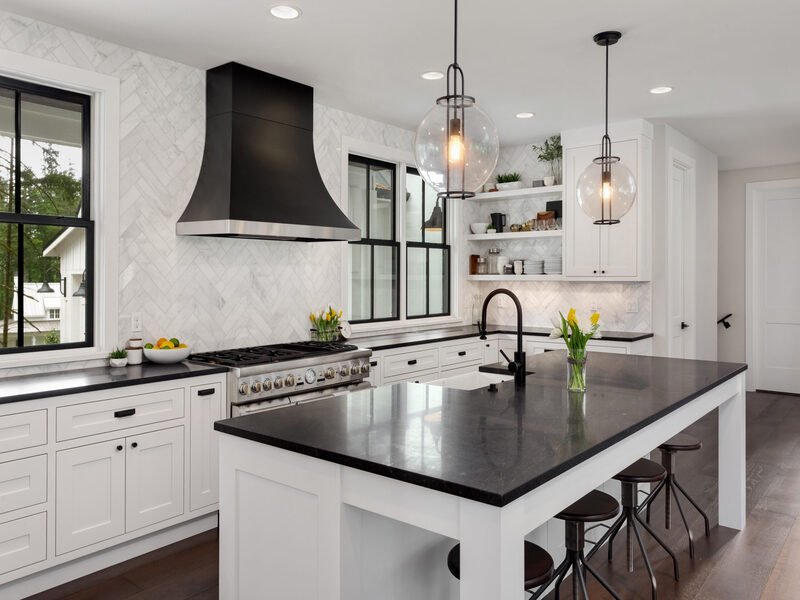
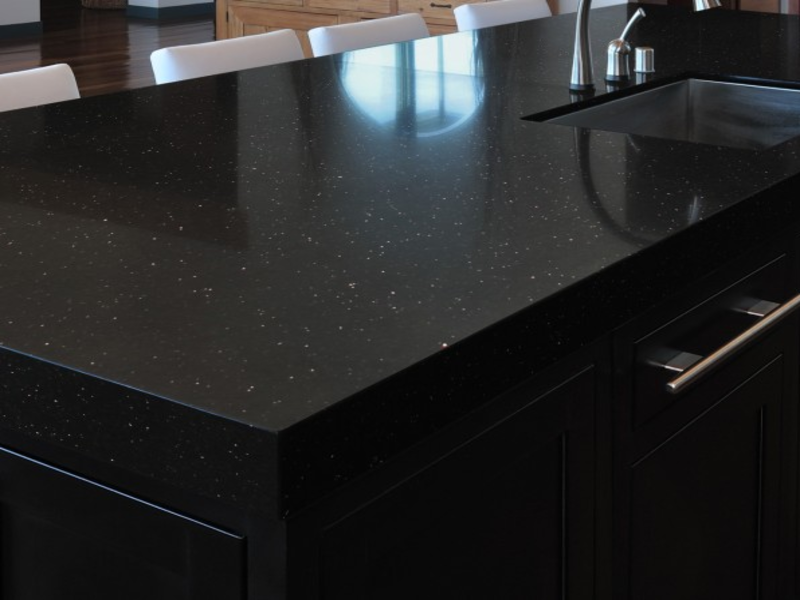
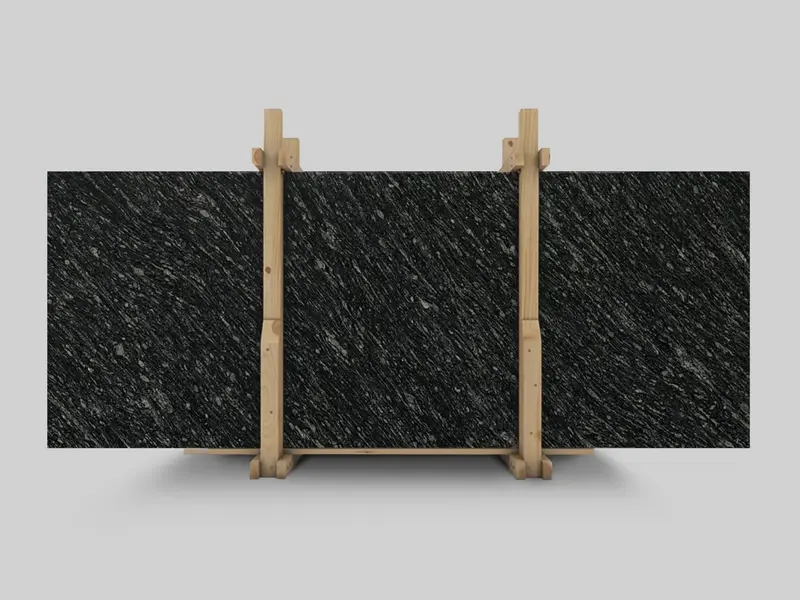
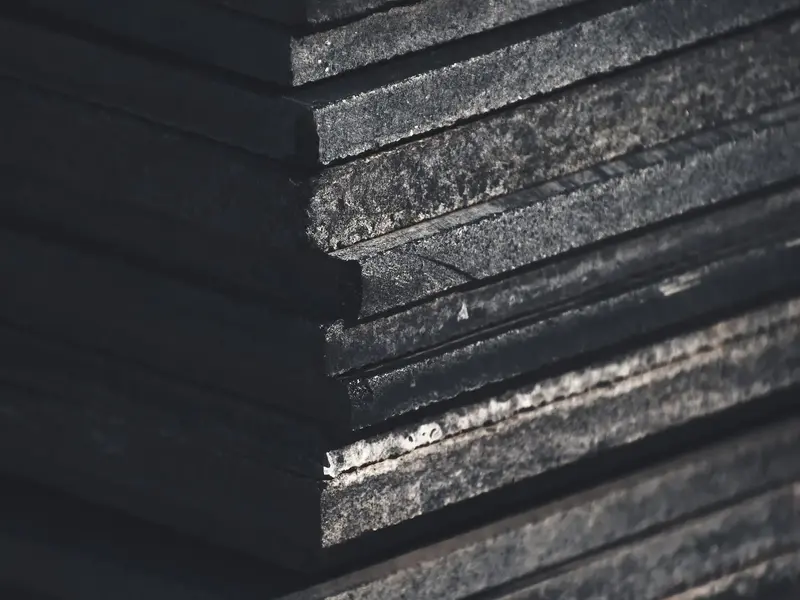
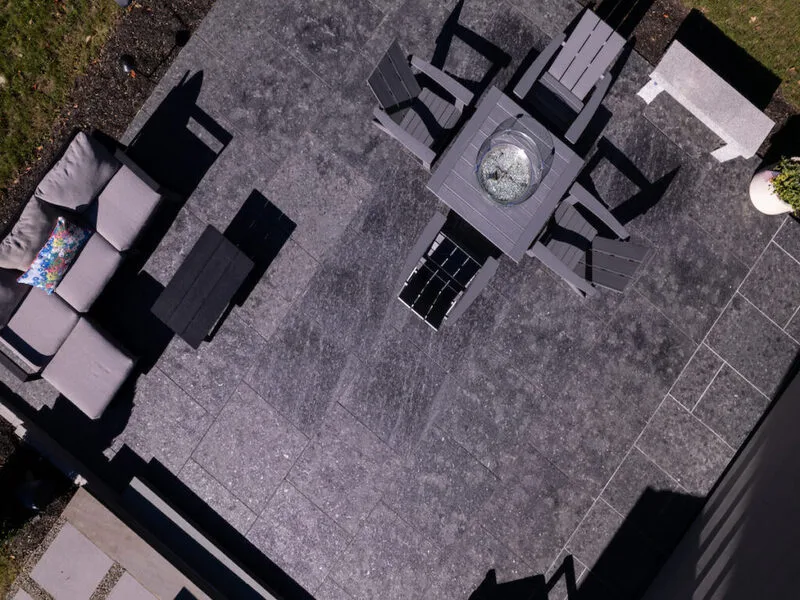
الأسود المطلق هو حجر طبيعي يُستخرج في العديد من البلدان حول العالم. يتراوح اللون من الأسود الداكن قليلاً إلى الأسود النفاث العميق - أحيانًا مع بقع دقيقة - حسب المحجر. إنه خيار شائع للغاية لأسطح العمل.
شيء واحد ليس هو
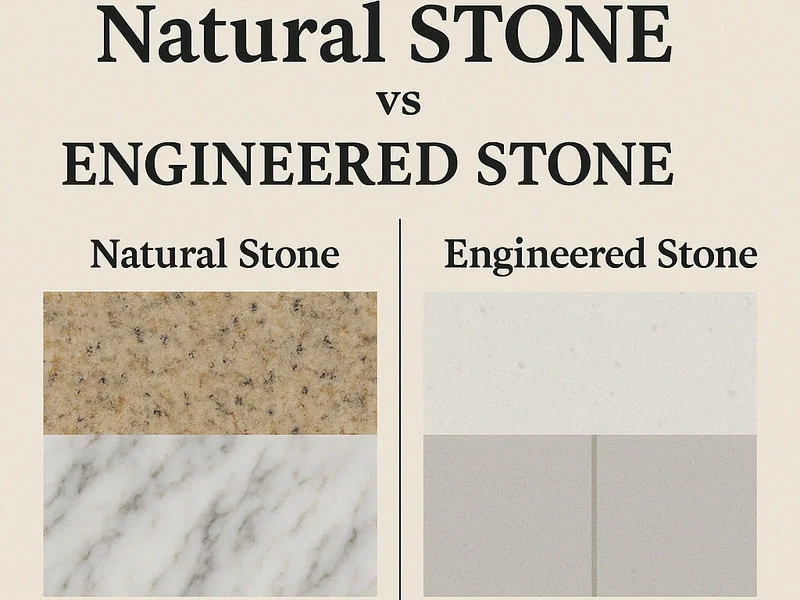
يُخلط أحيانًا مع الكوارتز الأسود، وهو سطح مصنوع (مهندس)، ومع الرخام الأسود، وهو حجر أكثر نعومة يخدش وينقش بسهولة أكبر. الأسود المطلق ليس أيًا منهما - إنه حجر طبيعي صلب وكثيف من نوع الجرانيت، تشكل في الأرض على مدى ملايين السنين.
"Absolute Black" can mean a dozen different stones. If you have been quoted for it and want to know what you're really getting, we are happy to help you make sense of it — no obligation.
Ask us a questionبينما بدأ "الأسود المطلق" كاسم لنوع معين من الجرانيت، فقد أصبح فعليًا تسمية فئة للجرانيت الأسود من مصادر مختلفة.
فكر فيه مثل كلمة "ماء فوار". هذا يخبرك بنوع المشروب، ولكن ليس العلامة التجارية أو من أين أتى. "أسود مطلق" يعمل بنفس الطريقة: يخبرك أن الحجر أسود، ولكن ليس من أين أتى أو مدى جودته.
- تنتج محاجر متعددة في الهند وجنوب أفريقيا وزيمبابوي والصين والعديد من البلدان الأخرى جرانيت يباع تحت هذا الاسم أو أسماء تجارية مشابهة
- تختلف الجودة والملمس والظل بشكل كبير بين المصادر — بعضها أسود ناعم الحبيبات حقيقي، والبعض الآخر يحتوي على عروق رمادية خفيفة أو درجات بنية
- يستخدمه الموردون والمشترون كـ تسمية درجة/نوع بدلاً من منتج ذو أصل واحد
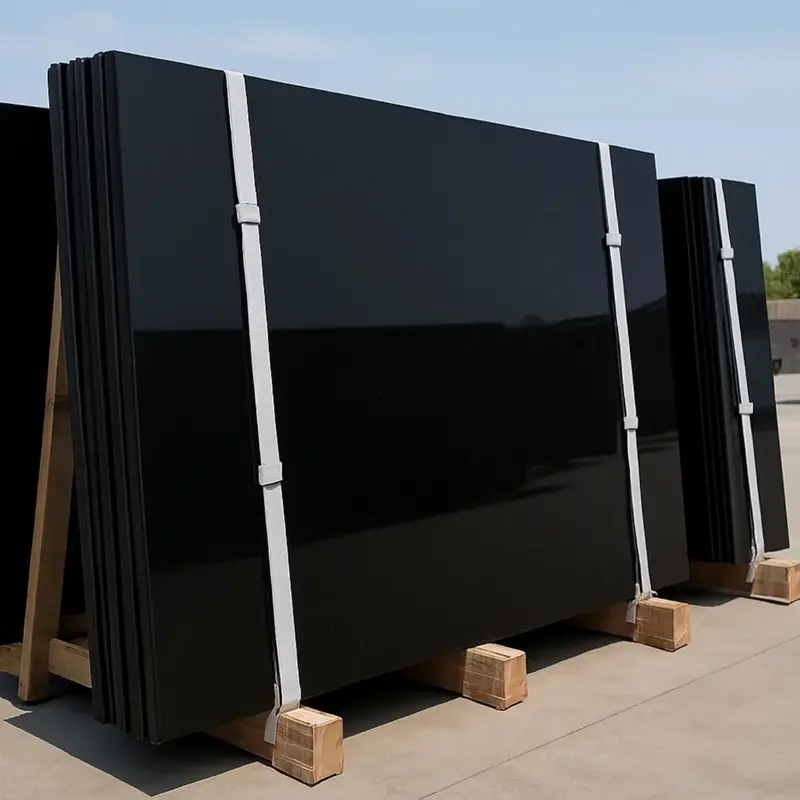
الاختلافات الرئيسية ضمن فئة "الأسود المطلق":
- أسود مطلق هندي
- أسود زيمبابوي/ أسود أفريقي
- أسود صيني/ أسود شانشي
محاجر الجرانيت الأسود المطلق في الهند
ضمن الأسود المطلق الهندي، هناك عدد كبير من المحاجر المنتشرة عبر أربع ولايات جنوبية تنتج أنواعًا مختلفة، كل منها بخصائصه الخاصة ودرجة جودته ونقاط سعره.
أكبر وأشهر الرواسب موجودة في كارناتاكا (خاصة منطقة تشاماراجاناجار) وتيلانجانا/أندرا براديش (حول ورانجال وخمم).
| رقم س. | الموقع | الخصائص | أفضل حالة استخدام | ملاحظات | فئة السعر |
| 1 | تشاماراجاناجار | أسود نفاث، تشاماراجاناجار ألتيميت بلاك — حبيبات شبه معدومة، اتساق رائع. لا توجد علاجات مطلوبة. | تماثيل، نصب تذكارية، قطع أثرية، شواهد قبور، ألواح وبلاط لمشاريع الفخامة والهيبة | 3 أنواع كبيرة: (i) كوتالودي، (ii) ناجار، (iii) ألفا بلاك | الأعلى |
| ميسورو، كارناتاكا | |||||
| 2 | كاناكابورا | داكن، حبيبات ذهبية دقيقة مرئية عند الفحص الدقيق | ألواح وبلاط | -- | فاخر |
| بنغالور، كارناتاكا | |||||
| 3 | بوتشامبالي | داكن، حبيبات ذهبية دقيقة مرئية عند الفحص الدقيق | -- | فاخر | |
| هوسور، تاميل نادو | |||||
| 4 | تشيتور | داكن جداً مع حبيبات زرقاء وبيضاء دقيقة؛ لا توجد علاجات مطلوبة. | مسمى بشكل منفصل كـ G20 ويعتبر أيضاً جرانيت أسود مطلق | فاخر | |
| أندرا براديش | |||||
| 5 | سالم | ظل داكن فاتح | نصب تذكارية | أحجام كتل صغيرة — غير متوفرة على نطاق واسع في شكل ألواح أو بلاط | متوسط المدى |
| تاميل نادو | |||||
| 6 | تيروفانامالاي | ظل داكن فاتح | متوسط المدى | ||
| تاميل نادو | |||||
| 7 | كانيجيري | داكن جداً | ألواح وبلاط | تفاوت كبير بين الكتل — صعب الحصول عليها بكميات كبيرة مع التناسق | اقتصادي |
| أندرا براديش | |||||
| 8 | خامام وورانجال | ظل داكن فاتح مع بقع فضية صغيرة (على عكس جالاكسي الأسود). | متوفر بكثرة؛ جيد للتوريد بكميات كبيرة. يُطلق عليه أيضًا خممام بلاك. | الأكثر اقتصادية | |
| تيلانجانا |
الأسماء التي ستراها لنفس المادة (داخل الهند)
جرانيت خممام / كونام بلاك، جرانيت زد بلاك، جرانيت زيد بلاك، جت بلاك، جرانيت هندي بلاك بريميوم، جرانيت ورانجال بلاك، جرانيت تليفون بلاك، جرانيت تشامراجناغار بلاك، نيرو أبسولوتو، بلاك أبسولوتو، جرانيت هندي بلاك، G20، كاناكابورا بلاك، بلاك ميست، ساوث بلاك (داخل الهند) والعديد من الأسماء الأخرى.
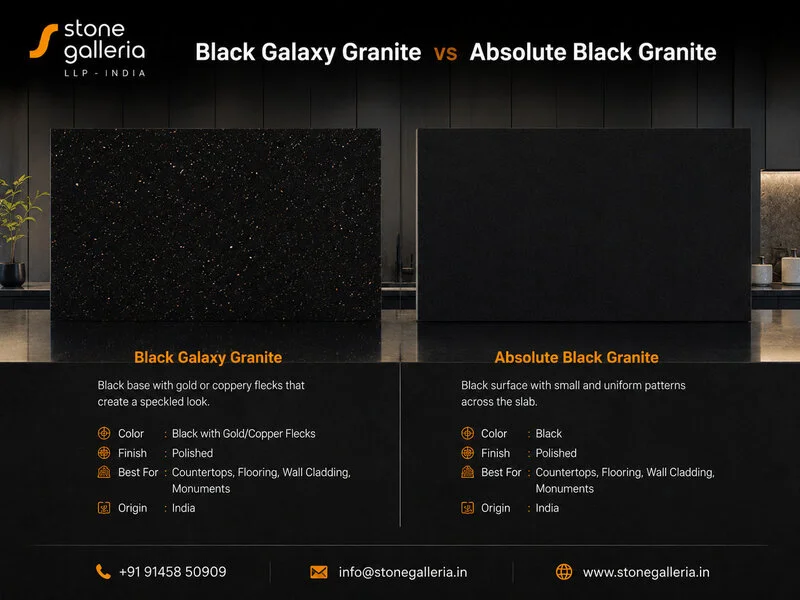
اقرأ أيضًا | جرانيت بلاك أبسولوتو مقابل بلاك جالاكسي
لماذا يختلف الظل والجودة بين المحاجر؟
بلاك أبسولوتو ليس حجرًا واحدًا من مكان واحد. يأتي من محاجر مختلفة، وكل واحد يبدو مختلفًا قليلاً.
Different quarries give different blacks, at different prices. Tell us your project and budget, and we will help you match the right Absolute Black to it — honestly, including which grade you don't need to pay for.
Get sourcing helpالشيء الرئيسي الذي يتغير هو مدى ظلامه. يعتمد ذلك على الحبيبات - كلما كانت الحبيبات أدق، كلما بدا أكثر سوادًا. وكلما كانت الحبيبات أكثر خشونة، يصبح أفتح قليلاً.
سترى أيضًا بقع صغيرة في بعضها - بريق ذهبي قليل، أو نقاط ضوء صغيرة. هذه مجرد المعادن الطبيعية في تلك المحجر المحدد أو يمكن أن تختلف حتى من منطقة إلى أخرى. لا يعني ذلك أن الحجر أقل جودة، بل هو فقط كيف تشكلت تلك الرواسب.
لذلك يمكن أن يكون الجت بلاك بدون بقع والرمادي الداكن مع القليل من البريق كلاهما بلاك أبسولوتو حقيقي. إنهما فقط من أرض مختلفة. وهذا تقريبًا كيف تعمل الأسعار أيضًا - الحجر الأكثر ظلامًا وتجانسًا يكلف أكثر، والحجر الأفتح والأكثر توفرًا يكلف أقل.
الخاتمة
"بلاك أبسولوتو" ليس حجرًا واحدًا - إنه اسم مشترك بين العديد من المحاجر والبلدان المختلفة، بمستويات جودة وأسعار مختلفة جدًا. لا يجعل ذلك من الصعب شراؤه. يعني فقط أن هناك شيء واحد يهم أكثر من الاسم في الاقتباس: معرفة من أين يأتي حجرك بالفعل.
هذا هو السبب الكامل الذي جعلنا نجمع هذا الدليل. لقد بحثنا عن إجابات واضحة كغرباء لهذه المادة، ووجدنا أنه لم يكن هناك الكثير. لذا إذا أخذت شيئًا واحدًا بعيدًا، فليكن هذا - اسأل من أين هو، اسأل أي محجر وأي درجة، واحكم على الحجر، وليس العلامة.