
Quartz vs. Granite – Heat Resistance Comparison

Мохит Поддар
Автор Команда Stone Galleria
info Контент написан и проверен командой Stone Galleria — сочетая практический опыт в каменной промышленности с исследованиями, основанными на фактических данных.
Рецензировал Мохит Поддар Руководитель по развитию бизнеса — Stone Galleria India
info Экспертно проверено Мохитом Поддаром — с практическим опытом в области закупки, обработки натурального камня и консультаций с клиентами.
Опубликовано: март 09, 2025 — 17:59 IST Обновлено: февраль 24, 2026 — 20:04 IST Время чтения: 5 минуты чтения 195 Просмотры Проверено на факты Проверено на факты
Почему эта статья помечена как проверенная на факты

Каждая статья/блог Stone Galleria проходит процесс проверки перед получением метки «проверено на факты». Технические детали — включая цветовые вариации, плотность, отделку, поведение при производстве и происхождение из карьера — проверяются с использованием заводских журналов, инспекций плит, документации поставщиков и реального опыта на месте. Статьи рассматриваются экспертами в своей области и обновляются, когда становится доступна новая или исправленная информация.

Выводы by Stone Galleria AI

Homeowners often compare quartz and granite countertops, particularly their heat resistance. Granite withstands higher temperatures, making it suitable for kitchens, while quartz is less heat resistant and requires precautions to avoid damage.

  • Granite can handle temperatures up to 480°F, making it ideal for hot cookware.
  • Quartz withstands temperatures up to 200°F but risks damage from high heat.
  • Granite requires sealing, while quartz is low maintenance due to its non-porous nature.

Understanding the heat resistance of quartz and granite is essential for making informed countertop choices.

When choosing the perfect countertop material, many homeowners find themselves weighing the pros and cons of two popular options: quartz and granite. Both materials offer unique benefits, but their ability to withstand heat is a crucial factor, especially in kitchens where hot pots and pans are frequently used. In this article, we will delve into the heat resistance of quartz vs. granite, comparing their properties and practical applications to help you make an informed decision for your home. Whether you’re renovating your kitchen or designing a new space, understanding the heat resistance capabilities of these materials is essential to ensure durability and longevity. 
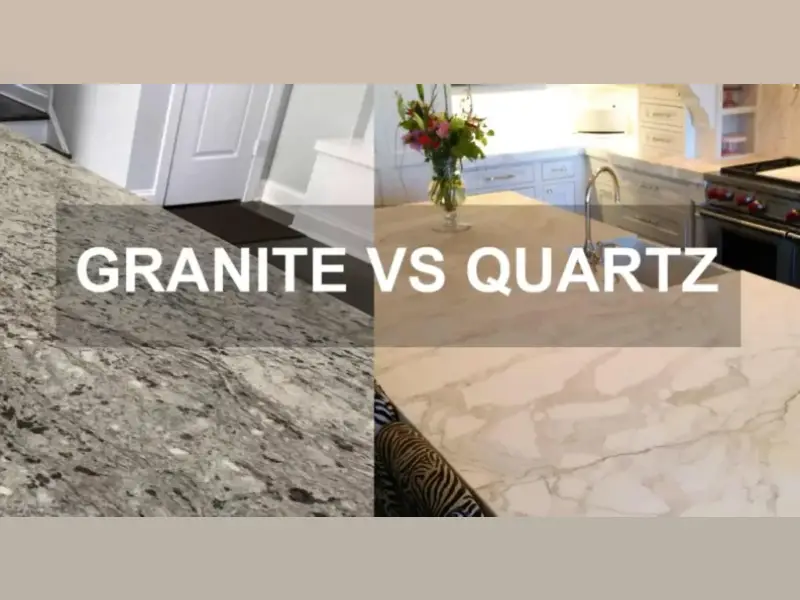
Granite-VS-Quartz

Composition and Structure of Quartz Vs. Granite

Granite:

  • Natural Stone: Granite is a natural igneous rock formed from cooling magma. It consists mainly of quartz, feldspar, and mica.
  • Porous Nature: As a natural stone, granite has a porous structure, which can be a factor in its overall performance and maintenance.

Quartz:

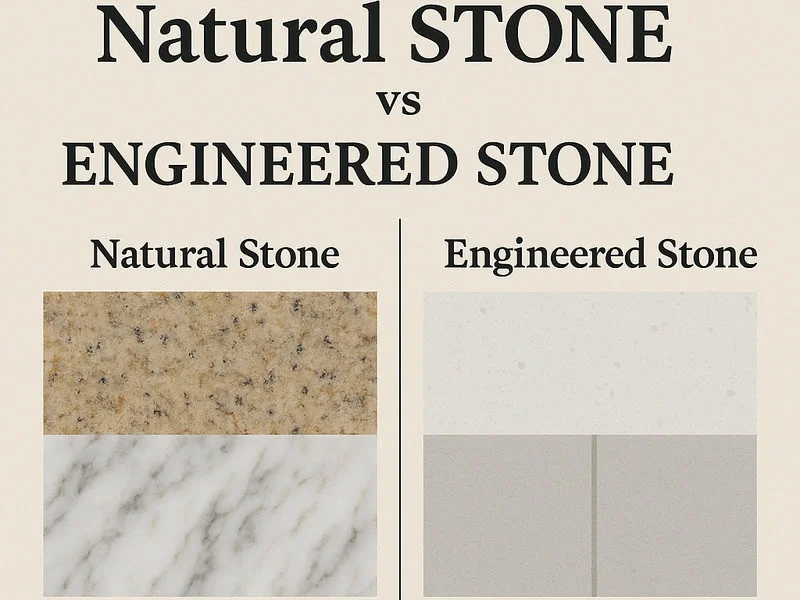
  • Engineered Stone: Quartz countertops are engineered using approximately 90-95% ground natural quartz combined with polymer resins and pigments.
  • Non-Porous: Due to the manufacturing process, quartz is non-porous, making it highly resistant to staining and bacteria.
The-Heat-Resistance-of-Granite

Heat Resistance of Quartz Vs. Granite

How Much Heat Can Quartz Handle? 

  • Moderate Heat Resistance: Quartz countertops are less heat resistant than granite, withstanding temperatures up to 150°F (65°C) to 200°F (93°C). Exceeding these temperatures can cause discoloration, warping, or damage to the resin binders.
  • Risk of Thermal Damage: Direct exposure to hot cookware can lead to permanent damage. The resin used in quartz countertops can melt or scorch under high heat.
  • Precautions: Always use trivets, hot pads, or coasters to protect quartz surfaces from heat damage.

How Much Heat Can Granite Handle? 

  • High Heat Resistance: Granite can withstand high temperatures, typically up to 480°F (250°C) or more. This makes it suitable for placing hot pots and pans directly on the surface without immediate damage.
  • Thermal Conductivity: Granite’s natural composition allows it to dissipate heat effectively, reducing the risk of thermal shock and cracking.
  • Considerations: Despite its heat resistance, it’s recommended to use trivets or hot pads to prolong the lifespan and appearance of the countertop.

READ | The Heat Resistance of Granite: Essential Facts
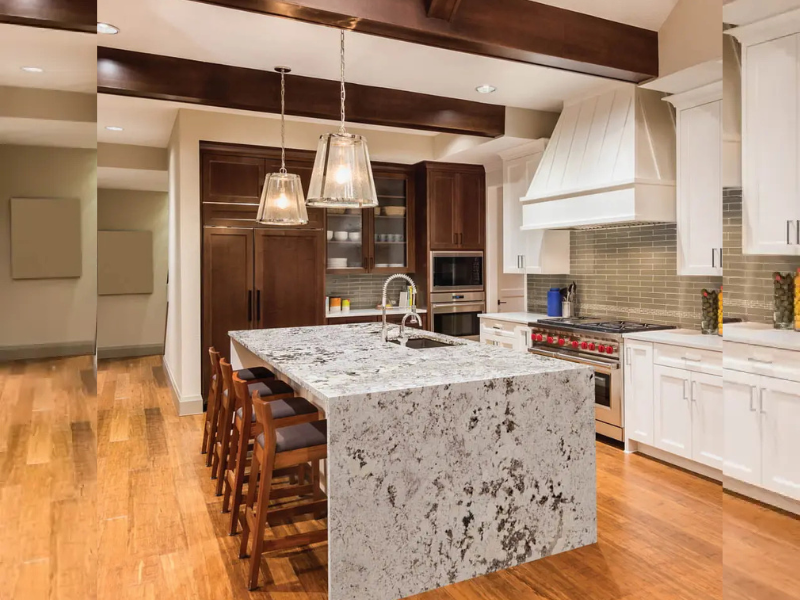
Alaska-White-Granite-Slabs-on-Countertop

What steps can be taken to avoid heat damage to a quartz countertop?

Quartz countertops are a popular choice for kitchens due to their durability, non-porous nature, and wide range of colors and patterns. However, one of the key considerations when using quartz is its sensitivity to high temperatures. While quartz is generally heat resistant, it is not as heat resistant as granite, and exposing it to high temperatures can cause damage. 

To prevent heat damage to a quartz countertop, always use trivets or hot pads for hot pots and appliances. Avoid placing items like toaster ovens directly on the surface and use cutting boards to protect against scratches and friction heat. Clean spills promptly, especially acidic or chemical ones, and avoid sudden temperature changes to prevent thermal shock. Regularly maintain the countertop according to the manufacturer’s guidelines and ensure all users are aware of these precautions for consistent care.

READ | Building Stone: Granite vs Quartz vs Marble – How Is One Better Than Another?

Quartz vs. Granite: Which Has More Options to Choose From?

Granite, a natural stone, offers unique patterns and colors, bringing a one-of-a-kind luxurious look to any space, while quartz, an engineered stone, provides a broader range of consistent colors and patterns, including those that mimic natural stones. With quartz, you get more control over the appearance, but if you love the idea of a countertop that reacts to heat, granite might surprise you as it can be more heat-resistant, making it a practical yet stylish choice.

Practical Applications and Considerations

Granite:

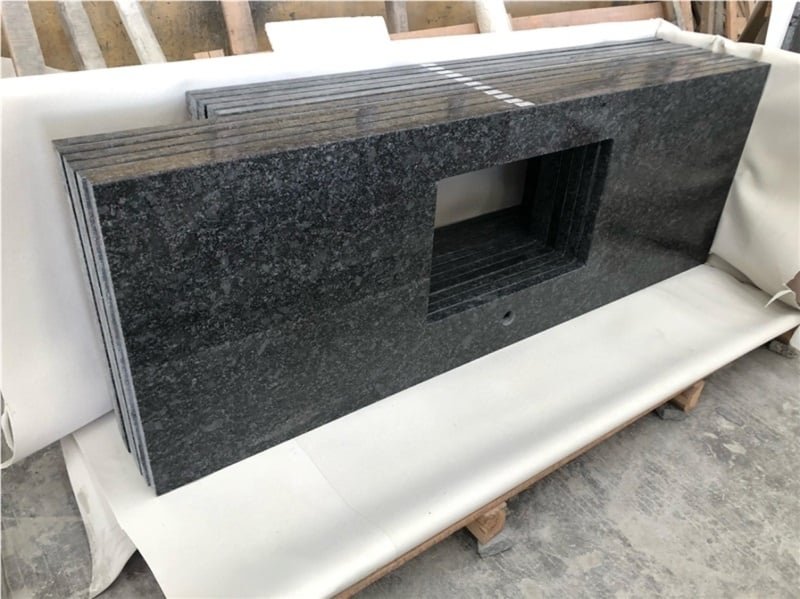
  • Ideal for Kitchens: Granite’s superior heat resistance makes it an excellent choice for kitchens where hot items are frequently placed on countertops.
  • Outdoor Use: Granite’s durability and heat resistance also make it suitable for outdoor kitchens and barbecue areas.

Quartz:

  • Better for Uniform Look: Quartz offers a more uniform appearance and is available in a wider range of colors and patterns, making it a preferred choice for those seeking a consistent look.
  • Controlled Environment: Best used in indoor settings where heat exposure can be managed more effectively.
Hot pot on Granite

Maintenance and Care

Granite:

  • Sealing Required: Granite countertops require periodic sealing to maintain their resistance to stains and moisture. However, sealing does not impact heat resistance.
  • Cleaning: Use mild soap and water for daily cleaning. Avoid acidic or abrasive cleaners that can damage the sealant and surface.

Quartz:

  • Low Maintenance: Quartz countertops are virtually maintenance-free due to their non-porous nature. Regular cleaning with mild soap and water is sufficient.
  • Avoid Harsh Cleaners: Avoid using high pH cleaners, bleach, or abrasive pads to prevent damaging the resin.

READ | Why Is Patagonia Quartzite Ideal for Countertops?

Conclusion

When comparing quartz vs. granite in terms of heat resistance, granite clearly has the edge. Its natural heat-resistant properties make it a better choice for areas exposed to high temperatures. Quartz, while offering many other advantages like non-porosity and a uniform appearance, requires more precautions to protect against heat damage.

Ultimately, the choice between quartz and granite should consider not only heat resistance but also other factors such as aesthetics, maintenance, and the specific requirements of your space. For kitchens and areas with high heat exposure, granite is generally the preferred option. However, with proper care and preventive measures, quartz can also be a durable and attractive choice.




Часто задаваемые вопросы

Granite is generally more heat resistant than quartz. Granite can withstand high temperatures, typically up to 480°F (250°C) or more, making it suitable for placing hot pots and pans directly on the surface without immediate damage. Quartz, on the other hand, has a lower heat resistance, withstanding temperatures up to 150°F (65°C) to 200°F (93°C). Exceeding these temperatures can cause discoloration, warping, or damage to the resin binders used in quartz countertops.


Quartz is not as heat resistant as granite. Granite can typically withstand high temperatures up to 480°F (250°C) or more, whereas quartz countertops are less heat resistant, tolerating temperatures up to about 150°F (65°C) to 200°F (93°C). Direct exposure to high heat can potentially cause discoloration, warping, or damage to the resin binders used in quartz countertops. Therefore, while quartz is durable and resistant to many types of damage, including stains and scratches, it requires more caution and the use of trivets or hot pads to protect against heat damage compared to granite.


Both quartz and granite are durable materials. Granite is a natural stone known for its hardness and durability, while quartz is engineered to be highly durable and resistant to stains, scratches, and impacts.


Excessive heat can cause thermal shock in both quartz and granite countertops, potentially leading to cracks or discoloration. Quartz countertops, in particular, may suffer from damage to the resin binders used in their construction under high heat conditions.


For granite countertops, use trivets or hot pads to prevent direct contact with hot items. Periodic sealing may also help maintain heat resistance. Quartz countertops require similar precautions but are more susceptible to damage from prolonged exposure to high temperatures.


Granite countertops can handle temperatures up to 480°F (250°C) or more, but it’s still recommended to use protective measures to prolong their lifespan. Quartz countertops should avoid temperatures exceeding 150°F (65°C) to 200°F (93°C) to prevent potential damage.


Minor heat damage to granite countertops may be repairable depending on the severity. Quartz countertops may require professional repair or replacement if damaged by heat due to the nature of the resin binders.


Granite countertops are generally considered safer for use in kitchens with high heat exposure due to their superior heat resistance compared to quartz. However, both materials can be used safely with proper care and maintenance.


Темы, которые мы рассмотрели в этом блоге:
Reviewer: Mohit Poddar

О рецензенте — Мохит Поддар

Руководитель по развитию бизнеса · Stone Galleria India

Have Insights to Contribute?

Are you an architect, interior designer, builder, or natural stone professional? If you have insights, corrections, or real-world experience that could enhance this article, we'd love to hear from you.

We occasionally feature expert perspectives and review submissions carefully, publishing only those that align with our focus on natural stone and design.

Write to Us
Trust Icon Почему вы можете доверять нашей информации о камне и отраслевым инсайтам
В Stone Galleria мы не просто пишем о натуральном камне — мы работаем с ним каждый день. Мы закупаем сырьевые блоки у надежных операторов карьеров, обрабатываем их на месте и тесно сотрудничаем с подрядчиками, дилерами, производителями и покупателями — как в Индии, так и за границей.

Как производители, мы видим, что на самом деле происходит — от выбора сырьевых блоков до отделки плит — включая проблемы, компромиссы и общие вопросы, возникающие в ходе реальных проектов. То, что мы здесь делимся, основано на реальном производстве, отраслевых разговорах и нашей повседневной работе на заводе — а не только на онлайн-исследованиях.

Вот почему информация, которую вы найдете здесь, практична, основана на опыте и формируется реальностью работы с камнем — каждый день.

Explore Heat-Resistant Granite for Kitchen and Outdoor Use

Granite handles heat better than quartz, making it ideal for kitchen platforms, fireplaces, and outdoor counters. Explore options built for performance under high temperatures.

Learn About Heat-Resistant Granite

Not Sure Which Material Can Handle the Heat?

If you're deciding between quartz and granite for high-temperature areas, reach out. Our team can guide you based on practical use, surface treatments, and project type.

Get Material Guidance

Последние блоги от Stone Galleria

Самые популярные блоги

Предпочтения файлов cookie

Строго необходимые (всегда активны)

Аналитические куки

Маркетинговые куки