
 Feitelijk Gecontroleerd
Het kiezen van natuursteen wordt gemakkelijker wanneer je begrijpt hoe materialen zoals graniet, marmer, zandsteen en kwartsiet hun unieke kenmerken ontwikkelen. Een kleine scheur of zwakke plek kan een prachtig natuursteenblad in een dure teleurstelling veranderen. Het goede nieuws? Natuursteen wordt eenvoudig zodra je begrijpt hoe het is gevormd.
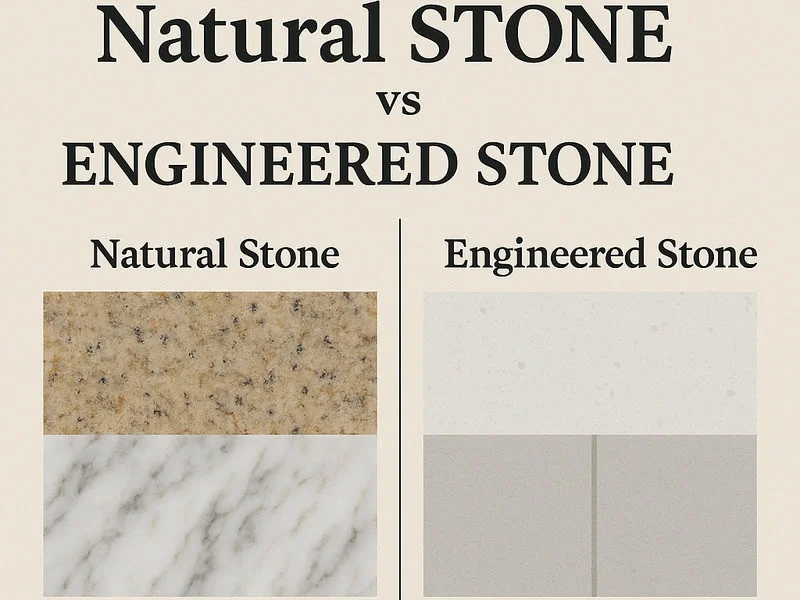
In tegenstelling tot kunststenen die in gecontroleerde fabrieksomstandigheden zijn gemaakt, wordt natuursteen gevormd over miljoenen jaren onder verschuivende hitte, druk en mineraalbeweging. Fabrieken snijden en polijsten alleen wat de natuur al heeft gemaakt.
Daarom heeft elk blad zijn eigen karakter — en zijn eigen imperfecties.
- Sommige van die vlekken zijn onschadelijk.
- Sommige voegen karakter toe.
- Een paar hebben een betere blik nodig.
Laten we beginnen met de basis: waarom natuursteen in de eerste plaats imperfecties heeft.

Waarom Graniet, Marmer, Zandsteen & Kwartsiet Imperfecties Ontwikkelen
Natuursteen ontwikkelt imperfecties om één eenvoudige reden: het wordt gevormd door de natuur, niet vervaardigd onder gecontroleerde omstandigheden.
Hier is wat er daadwerkelijk gebeurt — in eenvoudige, geloofwaardige termen:
1. De aarde blijft nooit stil
Hitte stijgt en daalt. Druk bouwt op en laat los. Mineralen verschuiven terwijl de steen zich vormt. Deze natuurlijke veranderingen creëren kleine lijnen, zachte zones en interne variaties.
2. Mineralen groeien niet gelijkmatig
Kwarts, mica, veldspaat en andere mineralen groeien met verschillende snelheden en in verschillende richtingen. Dit creëert aderen, kleurbanden, bewolkte gebieden en subtiele patroonveranderingen.
3. Stress laat zijn sporen na
Over miljoenen jaren ervaart de steen compressie, expansie en zelfs micro-vibraties door tectonische beweging. Deze creëren fijne scheuren en microscopische poriën.
4. Water en weer geven de laatste hand
Grondwater, temperatuurverschillen en natuurlijke chemie vormen de uiteindelijke steen verder — het openen van kleine putten of het vullen van lijnen met nieuwe mineralen.
Op het moment dat het blok wordt gewonnen, draagt het al deze lange geologische “geschiedenis.” Defecten zijn geen tekenen van slechte kwaliteit — ze zijn herinneringen dat de natuur geen identieke stukken produceert.
Nu je weet waarom imperfecties optreden, laten we kijken naar hoe ze verschijnen in echte platen.
LEES OOK | Waarom Natuurlijke Steen Kleuren Variëren van Zwart tot Wit
Soorten Natuurlijke Steen Defecten (Geologisch, Verwerking & Installatie)
Natuurlijke steen imperfecties vallen in drie brede categorieën:
- Geologische kenmerken (gevormd in de aarde)
- Verwerkings-/fabricagefouten (gecreëerd in de fabriek)
- Installatie- of locatiegerelateerde problemen (verschijnen na installatie)
Hier is hoe ze verschijnen in graniet, marmer, zandsteen, kwartsiet of enige andere natuurlijke steen.
1. Natuurlijke of Geologische Kenmerken (Natuurlijk en Verwacht)
Deze natuurlijke kenmerken zijn diep in de aarde gevormd en zijn volkomen normaal in elke echte steenplaat. Het begrijpen ervan helpt je te herkennen wat deel uitmaakt van de natuur — en waar je je eigenlijk zorgen over moet maken.
A. Graniet Defecten – Wat is Normaal en Wat Niet
- Natuurlijke kristalgroepjes die sprankeling en diepte creëren.
- Veelvoorkomend in zwarte granieten en beïnvloeden de prestaties niet.
- Lichte openingen waar mineralen elkaar ontmoeten.
LEES OOK | Hoe de Kwaliteit van Graniet te Controleren: Beste Methoden en Tips
B. Marmer Fouten – Aders, Zachte Vlekken & Oppervlaktegedrag
- Zachte, vloeiende calcietaders die elegantie verbeteren.
- Veroorzaakt door gerecrystalliseerde mineralen.
- Staat mooi polijsten toe, maar kan in de loop van de tijd een zachte patina ontwikkelen.
C. Zandsteen Defecten – Lagen, Porositeit & Kleurbanden
- Zichtbare lagen van sedimentvorming.
- Natuurlijke ijzer- en kleideposities.
- Milde porositeit die het een warme, aardse uitstraling geeft.
D. Kwartsiet Imperfectie – Scheuren, Aders & Harsinteractie
- Resultaat van hoge druk metamorfose.
- Geven beweging en glans.
- Typisch cosmetisch en structureel gezond.
Deze geologische kenmerken bepalen de identiteit van de steen en helpen je te kiezen wat zowel aan ontwerp- als prestatieverwachtingen voldoet.
LEES OOK | Leer het Verschil Tussen Scheur en Barst
2. Verwerking & Fabrieksfouten (Snijden, Polijsten, Harsproblemen)
Deze gebeuren tijdens het snijden, polijsten of hanteren — en zijn meestal te vermijden.
- Afgebroken randen of hoeken: Meestal door ruw hanteren
- Zaagsneden of polijstgolven: Van slechte kalibratie
- Ongelijke dikte of vervorming: Wanneer platen niet volledig zijn afgevlakt
- Slechte harswerk: Gele vlekken, niet-passende vulstof, zwakke reparaties
- Versterkingsproblemen: Afbladderend gaas, losse achterkant, roestende staven
Deze defecten zijn te voorkomen — en moeten worden afgewezen als ze ernstig zijn.
3. Installatie & Ter plaatse Defecten (Scheuren, Lippage, Vlekken, Etching)
Deze verschijnen ter plaatse en zijn meestal te wijten aan installatie of omgeving, niet de steen.
- Lippage: Ongelijke tegel- of plaathoogte
- Scheuren door beweging: Door slechte ondersteuning of zware lasten
- Vlekken/dekleuring: Roest, olie, organische vlekken of zouten
- Afbladderen/schilferen: Oppervlak dat afbladdert door vocht of chemicaliën
- Etching: Doffe vlekken door zuren (vaak op marmer/kalksteen)
Deze weerspiegelen meestal installatie- of onderhoudsproblemen, niet materiaalfouten.
LEES OOK | Top Tips Voordat je Graniet Koopt: Een Eenvoudige Gids
Acceptabel vs. Onacceptabele Steenfouten: Graniet, Marmer enz.
Hier is een snelle gids om je te helpen begrijpen wat normaal is en wat problemen aangeeft.
| Kenmerk | Acceptabel (Normaal) | Waarom OK | Onacceptabel | Waarom Niet OK |
|---|---|---|---|---|
| Kleur/Patroon | Natuurlijke schaduw & ader variatie | Natuurlijke karakter | Sterke mismatch ten opzichte van goedgekeurd monster | Verbreekt ontwerpconsistentie |
| Putjes/Scheuren | Kleine putjes, strakke scheuren | Verzwakken de sterkte niet | Grote putjes of zware vulling | Maakt het oppervlak zwak of onaantrekkelijk |
| Insluitingen | Kleine minerale stippen/strepen | Onschadelijk | Grote/roestige/brokkelige insluitingen | Kan breken of verkleuren |
| Harsreparaties | Netjes, kleurgecoördineerde vulling | Industrie standaard | Zware patching, niet-gematchte kleur | Visueel duidelijk, onbetrouwbaar |
| Vlakheid | Kleine ongelijke polijsting | Binnen toleranties | Vervorming of dikte variatie | Veroorzaakt installatie falen |
| Randen/Hoeken | Kleine rand microchips | Gemakkelijk te polijsten | Grote chips/breuken | Permanente schade |
| Scheuren | Strakke, stabiele scheuren | Veilig | Open/door scheuren | Structureel risico |
| Achterversterking | Veilige gaas/stangen | Standaard | Afbladderend gaas, roest | Toekomstig falen risico |
| Oppervlakte Slijtage | Lichte patina | Natuurlijke veroudering | Etching, brandplekken | Onjuiste steen/zorg |
| Vlekken | Tijdelijke vochtvlekken | Normaal | Diepe vlekken, roest | Installatie/afdichtingsprobleem |
Hoe Steen te Inspecteren Voor Aankoop (Snelle Tests)
| Test | Wat te Doen | Waar te Kijken | Passcriteria |
|---|---|---|---|
| Visueel | Controleer oppervlak & randen | Scheuren, putjes, hars, mismatch | Schone oppervlakte, binnen monsterbereik |
| Rand/Hoek | Nauwkeurig inspecteren | Chips, breuken | Alleen microchips |
| Achterkant | Draai tegel/plaat om | Gaas, hars, stangen | Veilige hechting, geen roest |
| Tactiel | Hand/vingernagel test | Dips, open scheuren | Glad oppervlak |
| Geluid | Klop met knokkel/munt | Hol geluid | Helder klingelend geluid |
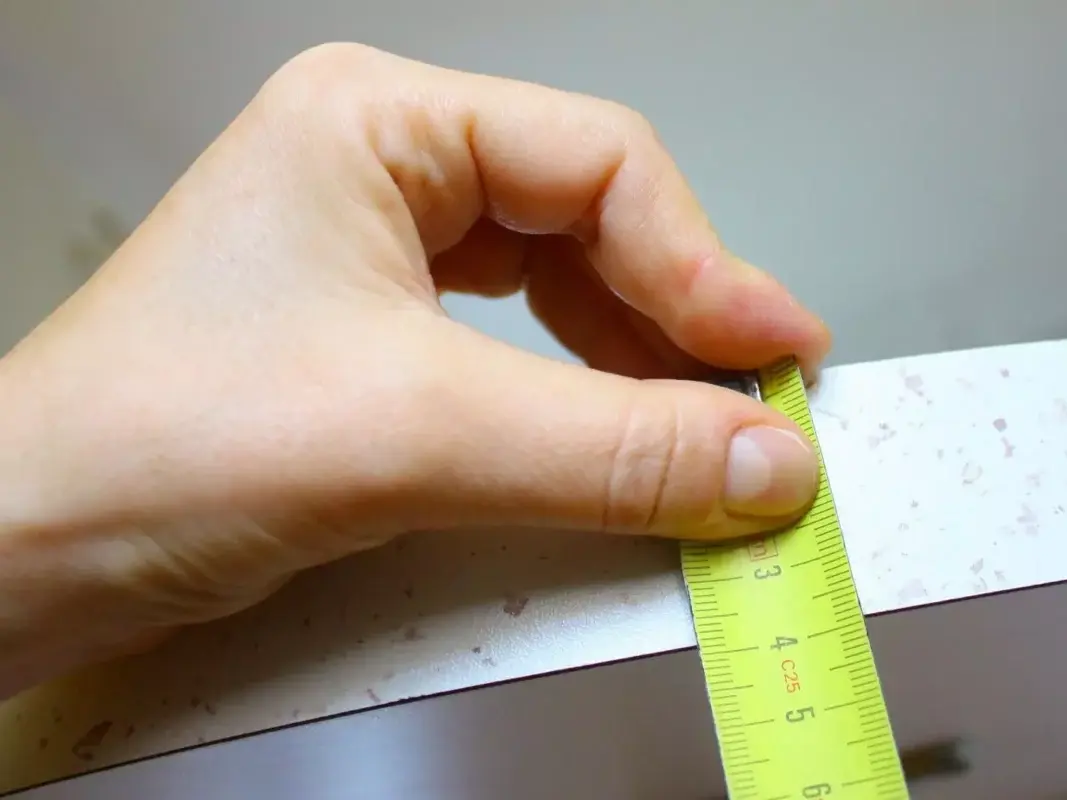
| Dikte | Meet 4–6 plekken | Variatie | Binnen 1.0–1.3 mm |
| Vlakheid | Leun platen tegen elkaar | Gaten/vervorming | Geen zichtbare opening |
| Watertest | Druppel water | Absorptie | Langzame verdonkering |
| Zuurtest (marmer) | Dab citroen/azijn | Etching | Minimaal/langzame reactie |
| Reflectie | Kantel onder licht | Golfvorming | Scherpe reflectie |
Conclusie
Natuurlijke steen — of het nu graniet, marmer, zandsteen of kwartsiet is — draagt de unieke handtekening van de aarde.
In onze fabriek herinneren we klanten vaak eraan dat schoonheid echt in het oog van de toeschouwer ligt. Onlangs aarzelden we om een bepaalde partij te tonen omdat het patroon ons ongebruikelijk leek. De klant stond erop — en koos die specifieke partij. Toen hij later installatiefoto's deelde, waren zelfs wij verrast hoe prachtig het eruitzag.
Het doel bij het selecteren van steen is niet om een perfect stuk te vinden — die bestaan zelden. Het is om een steen te kiezen waarvan de natuurlijke kenmerken uw ontwerp aanvullen en binnen de grenzen van sterkte en prestaties blijven.
En dat moment herinnerde ons eraan: wat de ene persoon als een gebrek ziet, kan precies zijn wat iemand anders als schoonheid ziet.