Granite Size

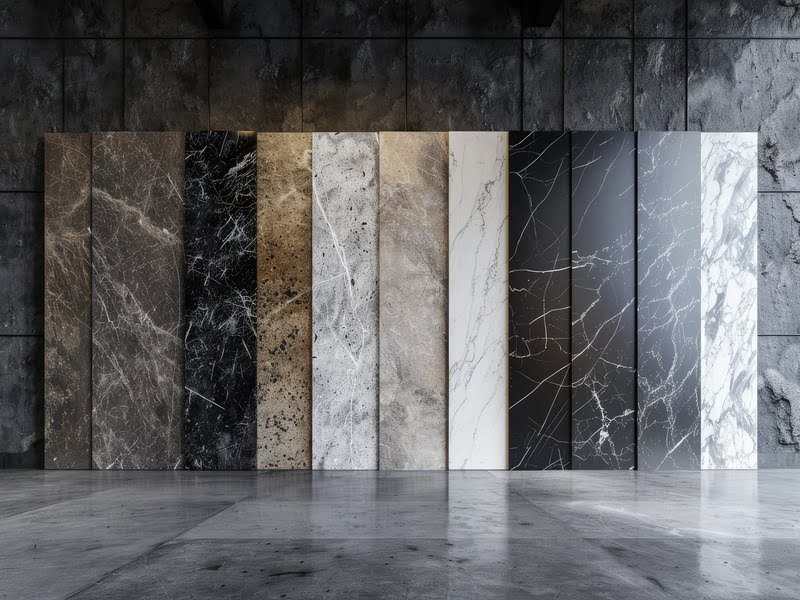
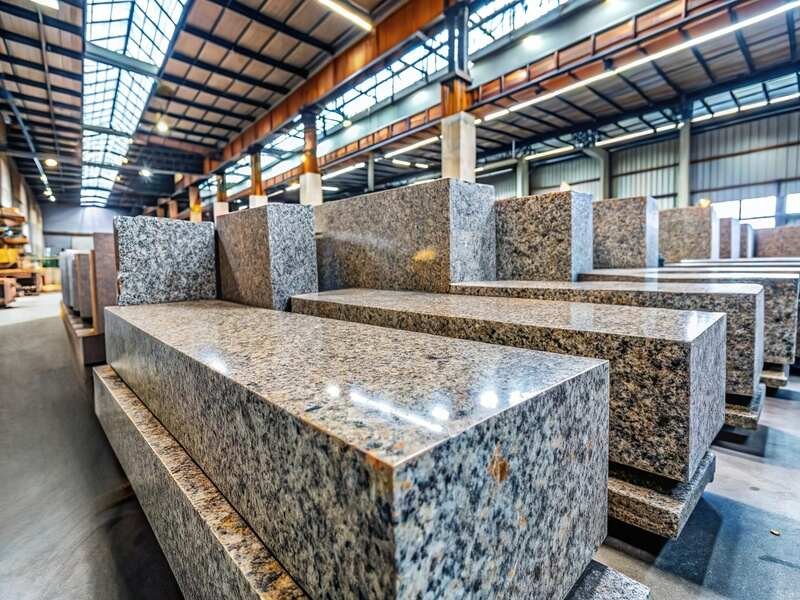
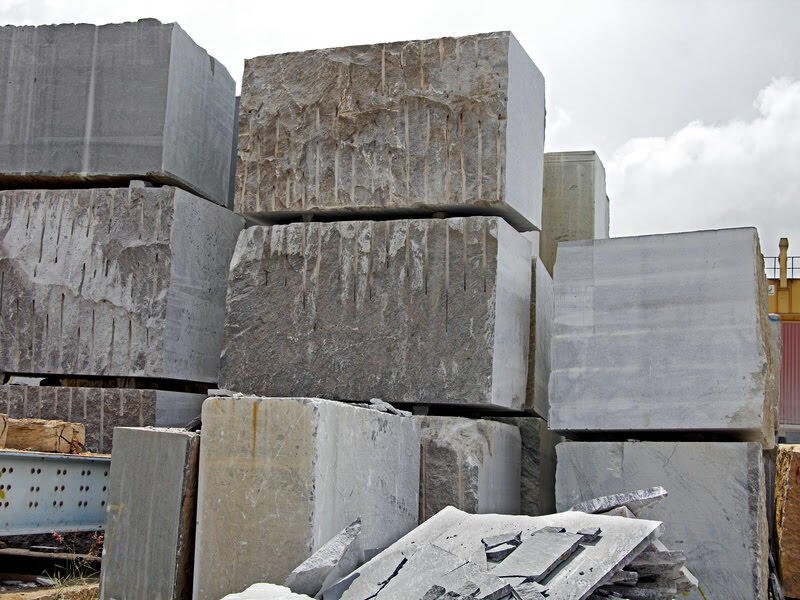
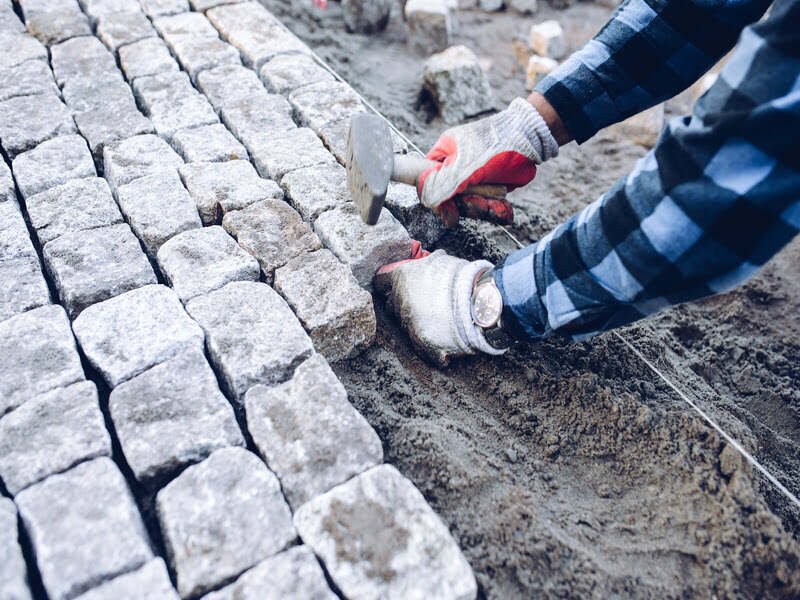
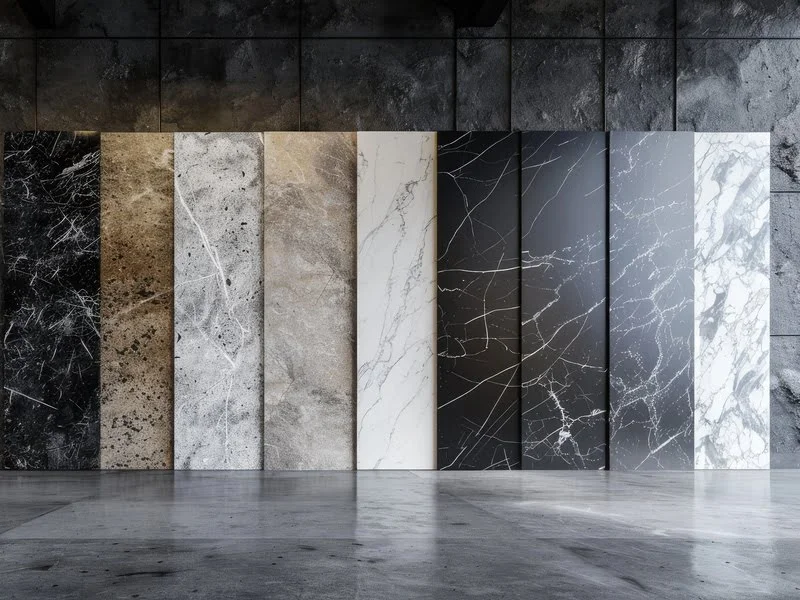
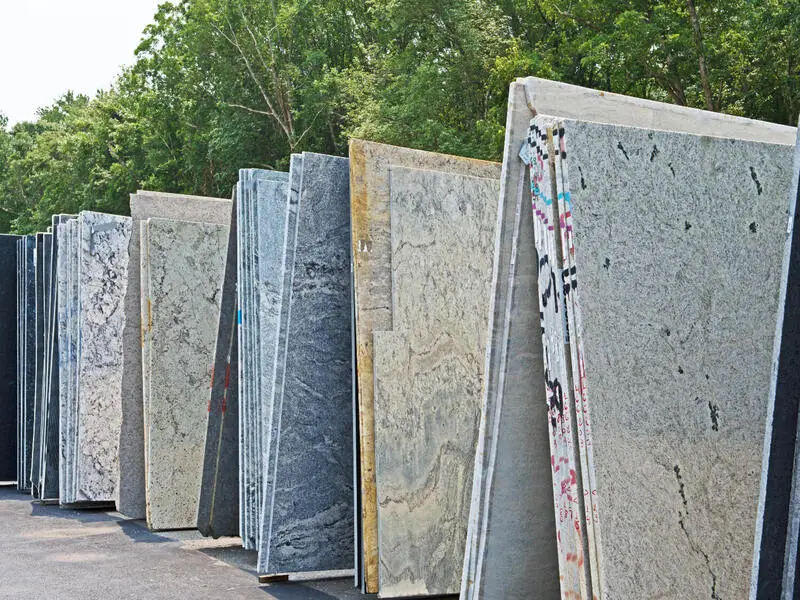
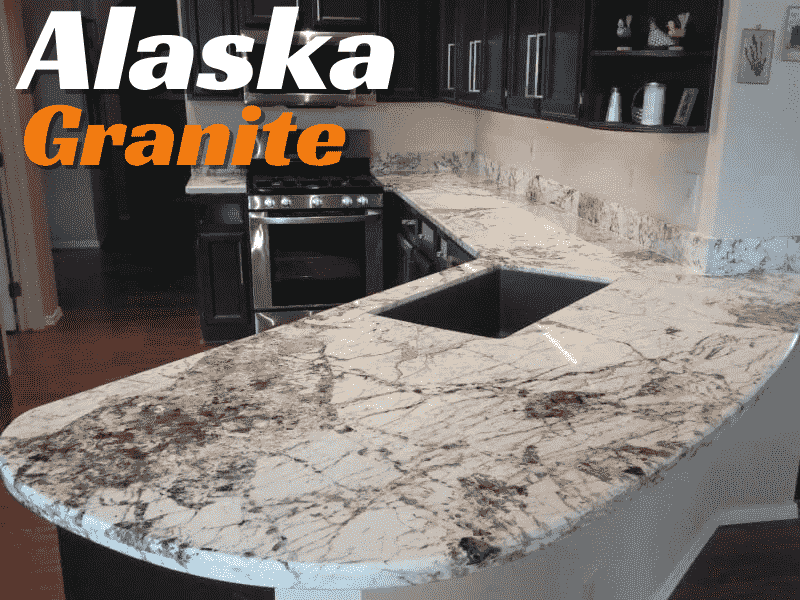
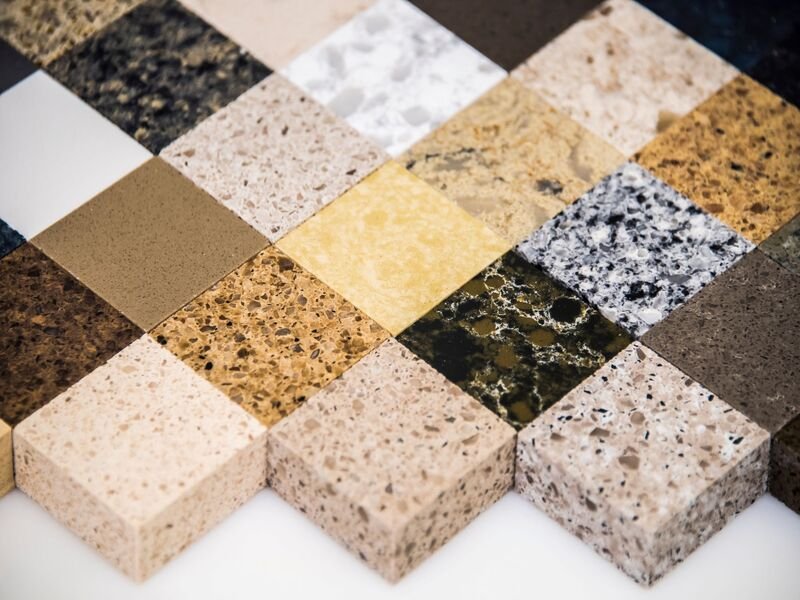
Explore granite by size to find the right format for your project. We offer a wide range including large granite slabs (both vertical cutter size and gangsaw size), precision-cut granite tiles, rough granite blocks straight from the quarry, durable granite setts for outdoor paving, and prefab tiles and slabs ready for quick installation. Whether it’s for residential, commercial, or landscape use, we have the right size to match your needs.

Granite Size Guide: Slabs, Tiles & Block Formats

Granite is supplied in different product formats, from blocks and large slabs to cut pieces and tiles. The term used for a format does not guarantee one fixed length or width.

Granite Slab Sizes: Cutter & Gangsaw Formats

Cutter and gangsaw slabs are different processing and format categories. Available dimensions vary with the stone and source block; check the selected product and the dimensions of the actual lot before planning cutting yield.

Granite Tiles, Blocks & Cut-to-Size Requirements

Tiles, cobblestones, prefabricated pieces and raw blocks serve different purposes. Specify finished piece dimensions, thickness, quantity, surface treatment and tolerances before requesting a project quotation.

Frequently Asked Questions

FAQs: Granite Tiles, Slabs, Blocks & More


Granite is supplied in different sizes like tiles, slabs, blocks, cobblestones, and prefab formats, depending on where and how it will be used. Choosing the right size helps reduce wastage, optimize installation time, and control cost. For example, tiles are ideal for floors and walls, while slabs are preferred for countertops and staircases.


ranite tiles are usually available in standard sizes like 300x300 mm, 600x600 mm, and 600x300 mm, while slabs can be cutter size (around 7–8 ft long) or gangsaw size (9+ ft long and 5+ ft wide). Custom sizes are also available on request, especially for larger projects or export orders.


Prefab granite refers to pre-cut and pre-finished slabs, typically used for countertops or vanities, with factory-applied edge profiles. These are quicker to install and more budget-friendly. Regular slabs are raw or semi-finished and allow full customization in terms of cutting and finishing on-site or by fabricators.


Granite blocks are raw, quarried stone masses typically used for further processing into slabs or tiles. They are also supplied in bulk for architectural stonework, large monument fabrication, and commercial infrastructure projects. Block sizes vary by quarry but are usually 2–3 cubic meters in volume.


Yes, granite cobblestones are usually supplied in standard formats like 100x100 mm, 150x150 mm, or 200x100 mm, with thickness ranging from 50–100 mm. They are used in outdoor paving for driveways, walkways, landscaping, and commercial zones. Custom sizes can be cut based on project specifications.


Absolutely. Many commercial and residential projects use slabs for counters and stairs, and tiles for wall or floor finishes, using the same or contrasting granite. Mixing formats helps in visual continuity and cost efficiency.


Looking to Source Granite in Various Sizes of Slabs, Tiles, or Blocks?

Explore a full range of granite sizes including floor tiles, wall tiles, slabs, cobblestones, and blocks. Share your requirements and our team will provide size options, finishes, pricing, and supply details for your project.

How to Choose Granite Sizes for Slabs, Tiles and Cut-to-Size Work

Across the granite collection, the right size depends on what will be fabricated, how visible joints will be, and how efficiently the selected stone can be cut. A kitchen worktop, large wall panel, floor-tile layout and outdoor paving scheme may all use granite, but the suitable starting format and thickness can differ considerably. Use the category options above to browse the format first, then verify the actual material dimensions.

Granite Slab Dimensions: Plan from the Finished Piece

For a countertop, stair tread or long sill, begin with the largest uninterrupted finished length and width. Compare those dimensions against the usable cutter slab or gangsaw slab area after allowing for trimming and saw cuts. Natural-stone slabs do not have a single universal size, and listed nominal dimensions should not be treated as a guarantee for a particular colour or block.

Granite Tiles and Repeatable Modules

For flooring and wall projects, granite tiles are often easier to plan around as repeatable modules rather than whole slabs. Define the finished tile length and width, laying pattern, joint width and thickness before calculating quantities. Rectangular modules, square tiles and custom sizes can require different cutting plans. If the design mixes sizes, provide a layout so the supplier can assess production and packing together.

Granite Thickness and Intended Use

Thickness is part of the specification, not simply a price option. Stone selection, support conditions, panel span, fixing or bedding method, edge details and expected loads all affect the required thickness. Commonly discussed slab thicknesses include 16, 18, 20 and 30 mm, but the correct choice depends on the product and project design. Structural suitability and installation details should be confirmed by the project professional.

Blocks, Prefabricated Pieces and Paving Formats

Rough granite blocks are an input for further processing, while prefabricated pieces arrive closer to their intended installation size. Paving setts and cobblestones have their own dimensional and thickness requirements. These categories are not interchangeable, so compare the actual unit you will purchase and the further processing it will need.

What to Confirm Before Ordering by Size

Provide finished dimensions in millimetres, thickness, number of pieces or area, surface finish, exposed-edge requirements and delivery location. Ask for the actual available slab or stock sizes, tolerances, cutting allowances, batch consistency and packing method. This makes the granite size discussion practical and reduces the risk of quoting a format that cannot yield the intended finished components. When sourcing location affects the quote, use granite by location to distinguish material origin, processing and dispatch.